More Results on Singular Value Inequalities for Compact Operators ()
1. Introduction
Let 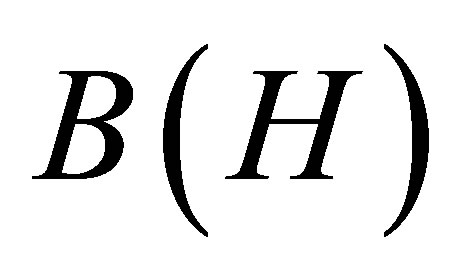 denote the space of all bounded linear operators on a complex separable Hilbert space H, and let
 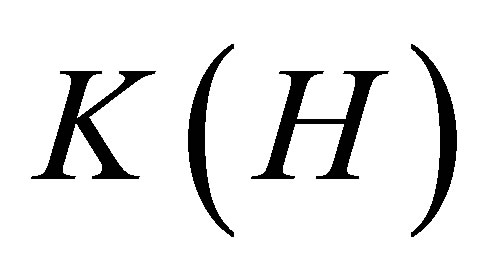 denote the two-sided ideal of compact operators in
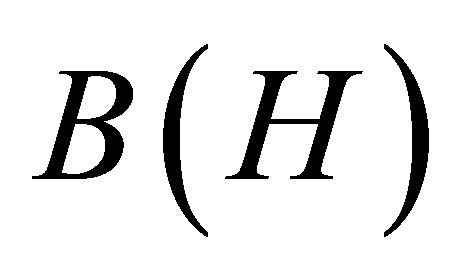 . For
. For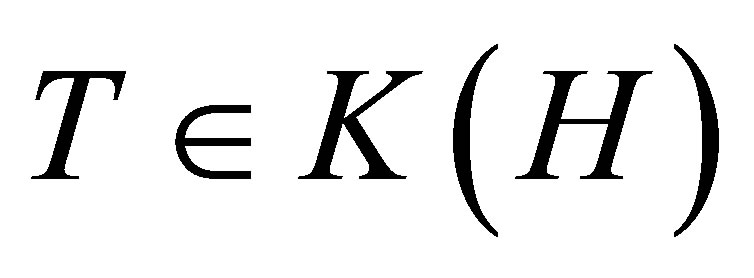 , the singular values of
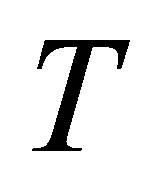 , denoted by
 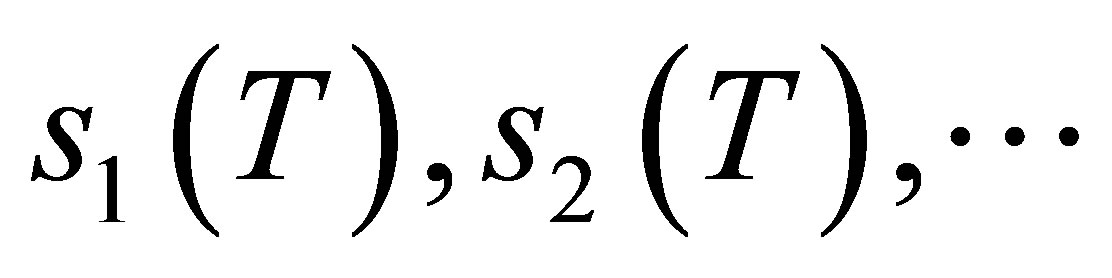 are the eigenvalues of the positive operator
 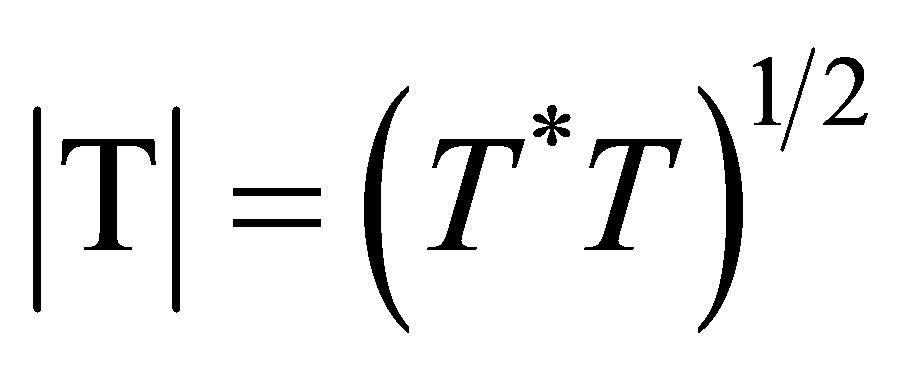 as
as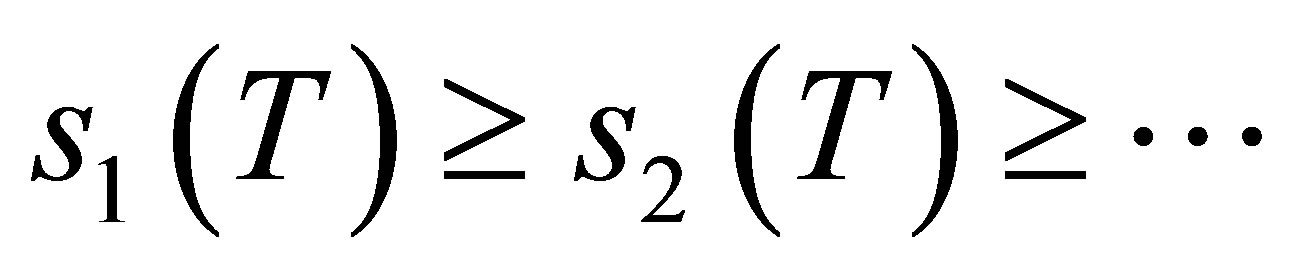
repeated according to multiplicity. Note that 
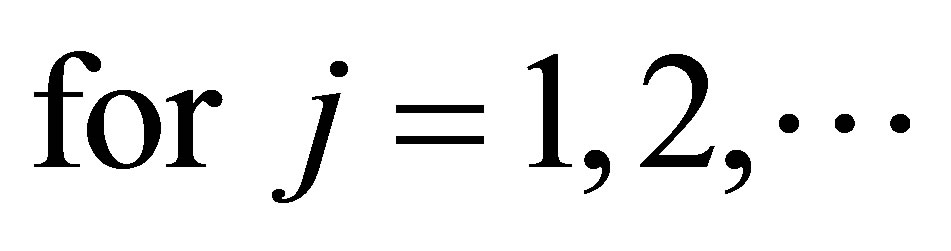
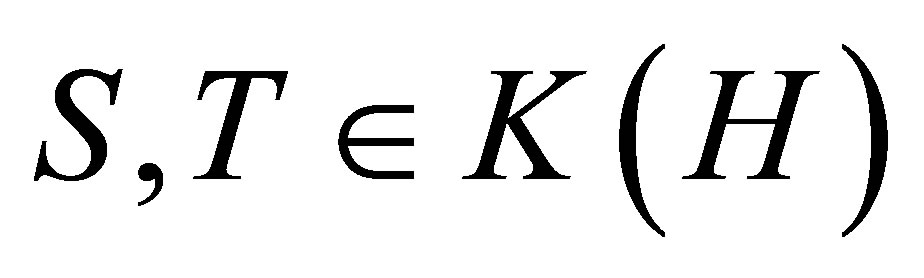
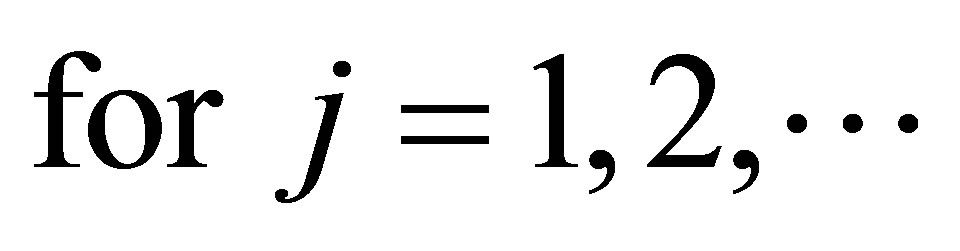
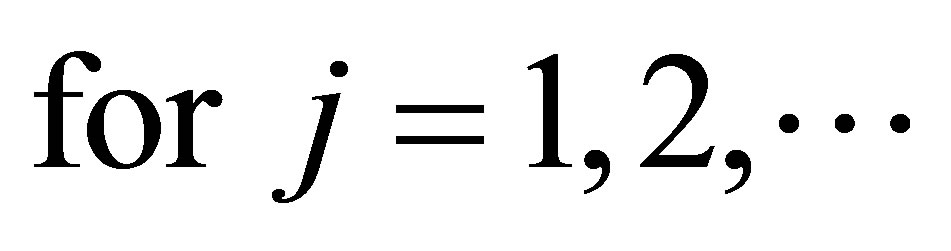 It follows Weyl’s monotonicity principle (see, e.g., [1, p. 63] or [2, p. 26]) that if
 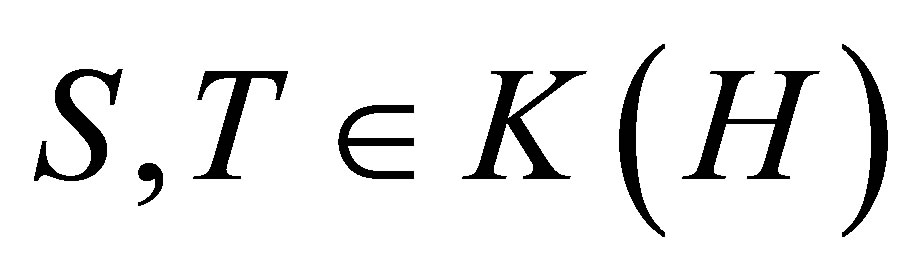 are positive and
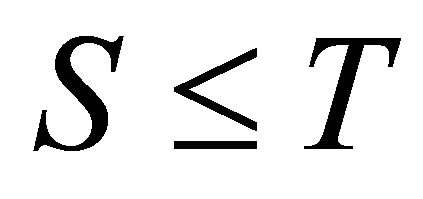 , then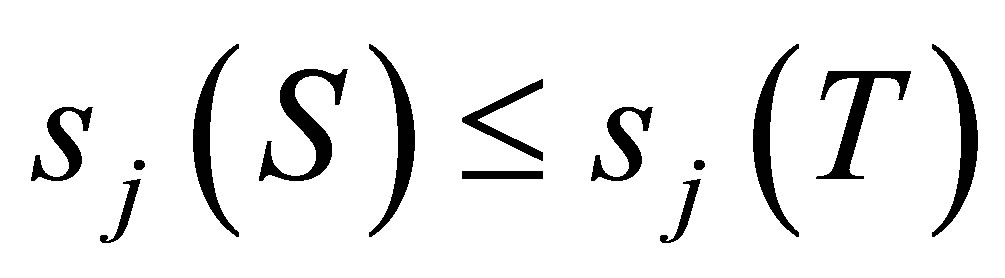
 Moreover, for
 ,
, if and only if
 The singular values of
  and
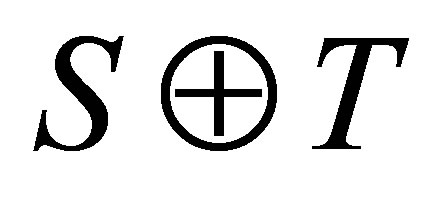
and 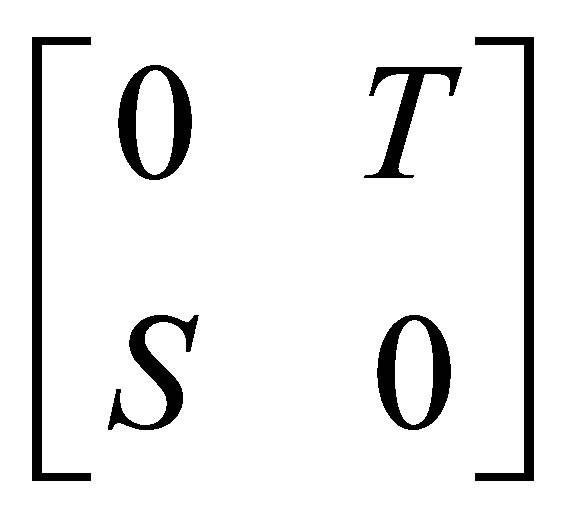 are the same, and they consist of those of
 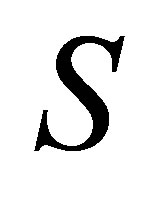 together with those of
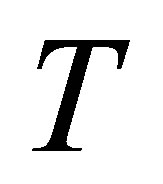 . Here, we use the direct sum notation
 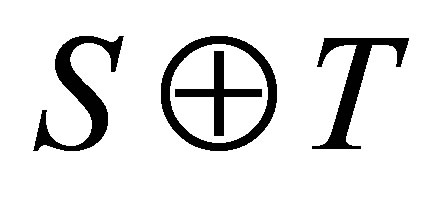 for the blockdiagonal operator
 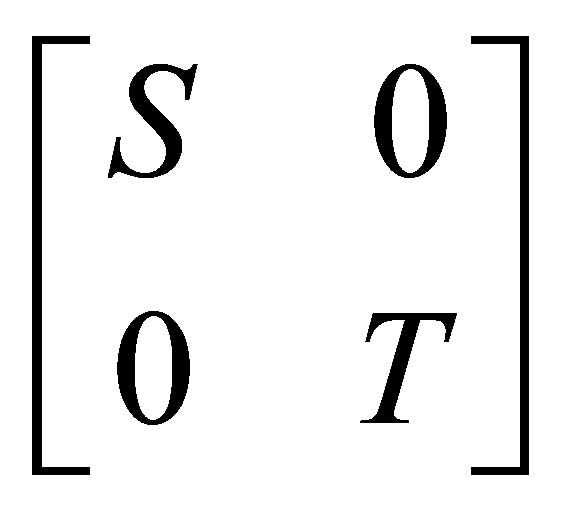 defined on
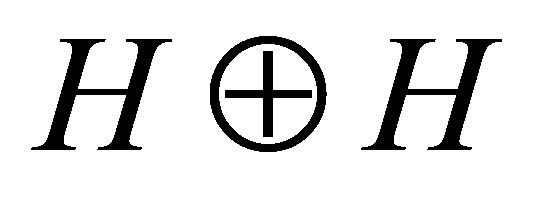 .
.
The well-known arithmetic-geometric mean inequality for singular values, according to Bhatia and Kittaneh [3], says that if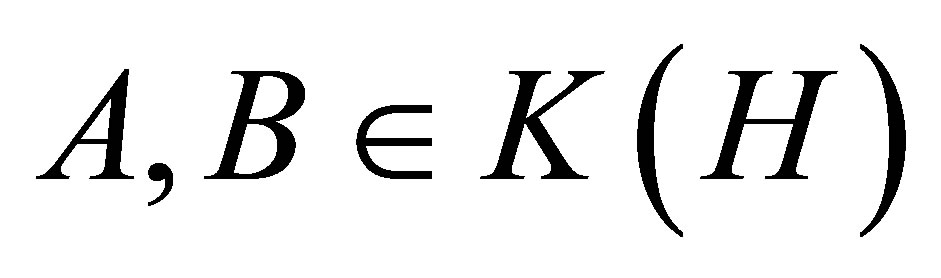 , then
 (1.1)
(1.1)
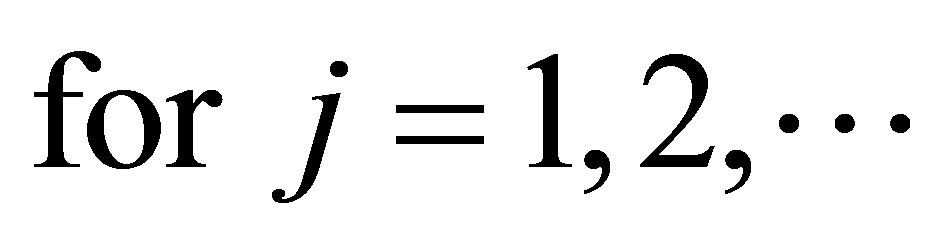
Hirzallah has proved in [4] that if  , then
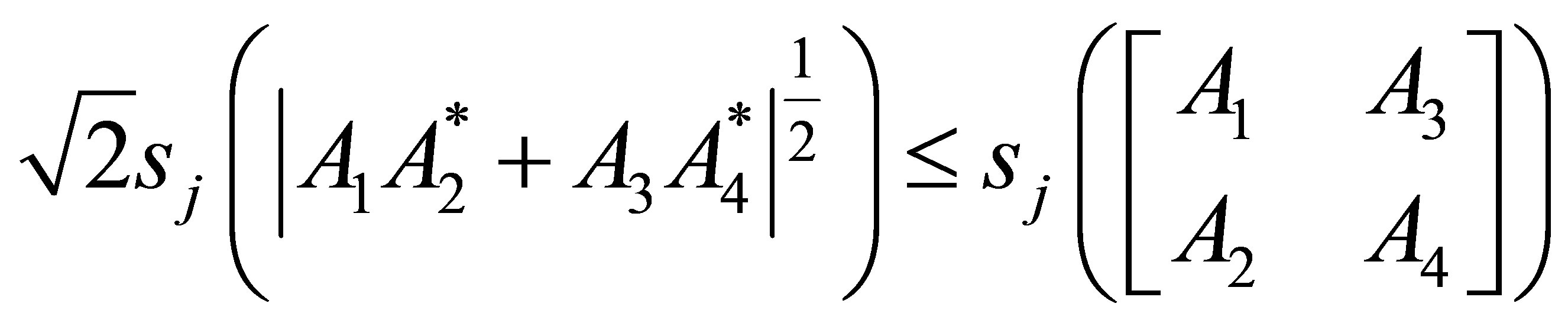 (1.2)
(1.2)
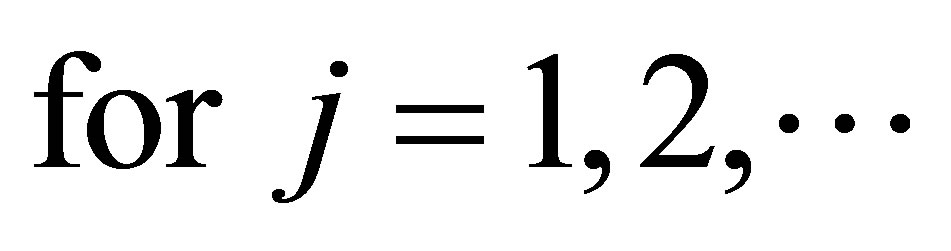
In this paper, we will give a new inequality which is equivalent to and more general than the inequalities (1.1) and (1.2):
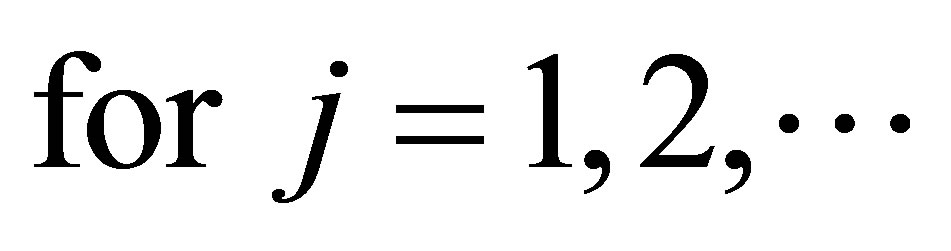
If , then
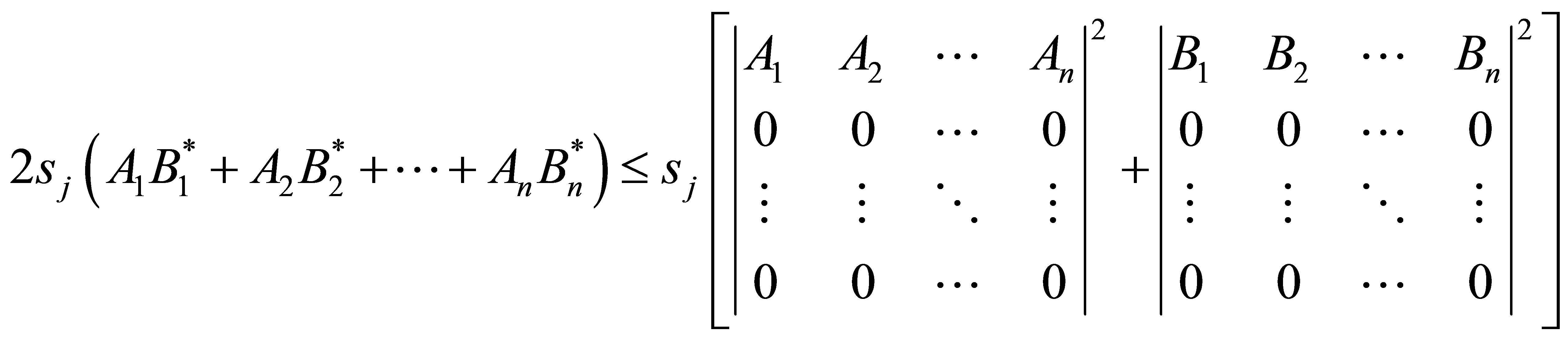 (1.3)
(1.3)
Audeh and Kittaneh have proved in [5] that if 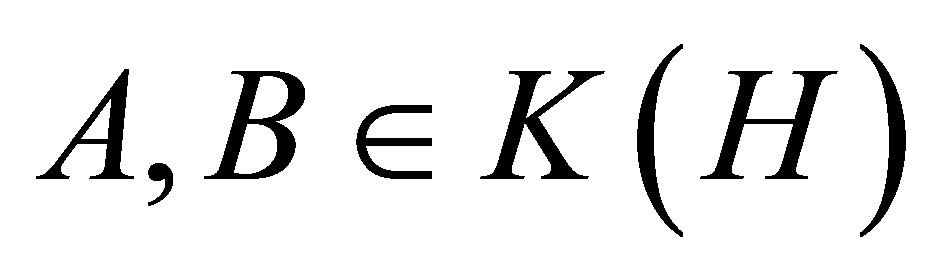 such that
 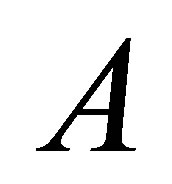 is self-adjoint,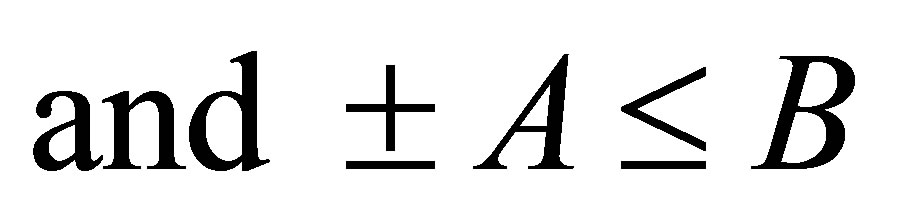
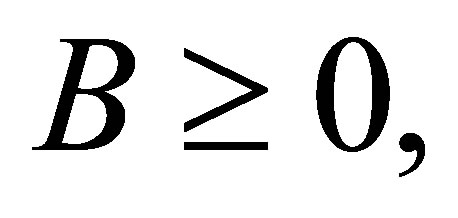 , then
 (1.4)
(1.4)
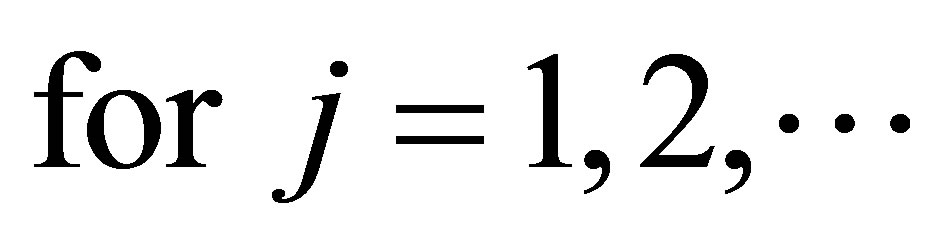 On the other hand, Tao has proved in [6]
that if 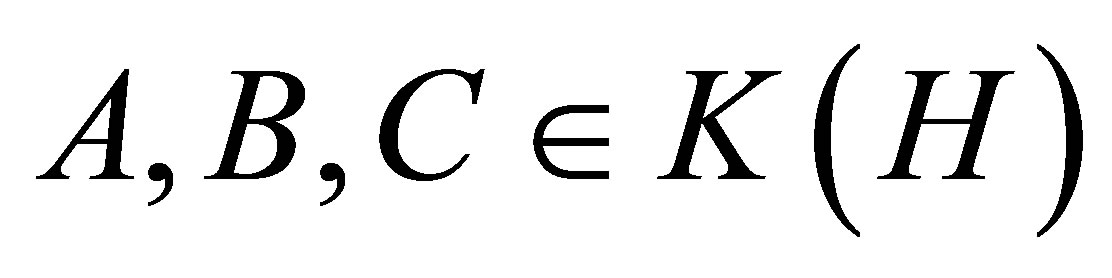 such that
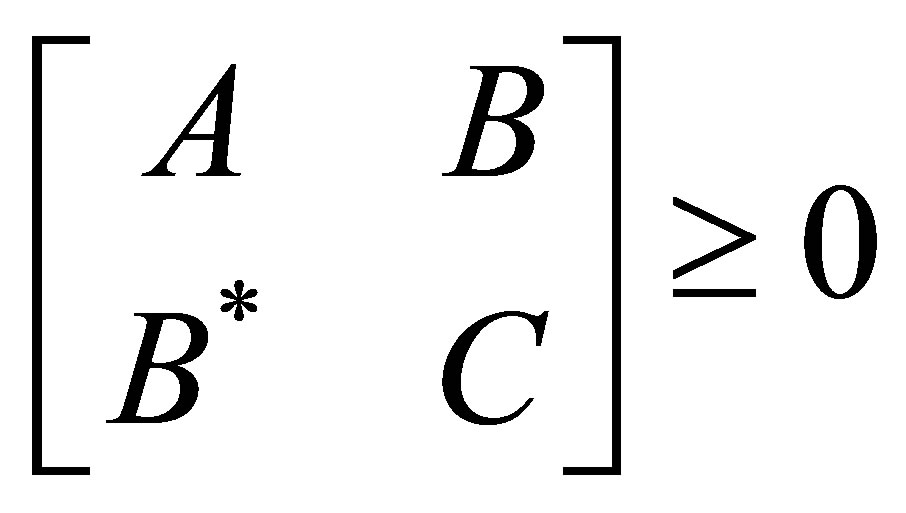 , then
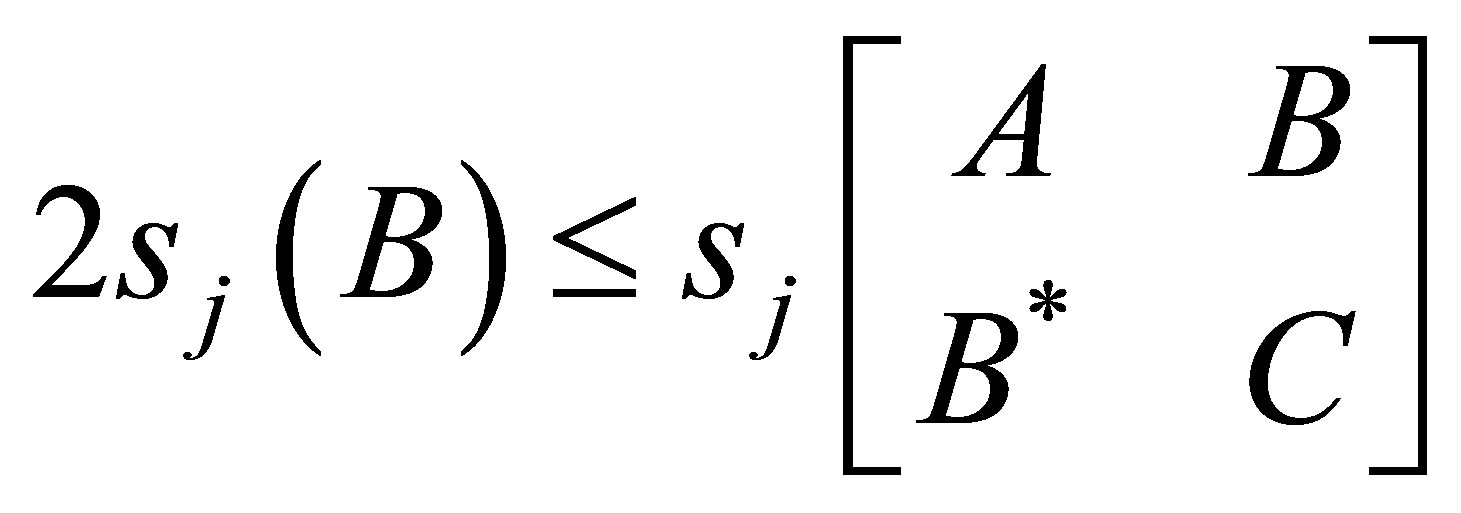 (1.5)
(1.5)
 Moreover, Zhan has proved in [7] that if
 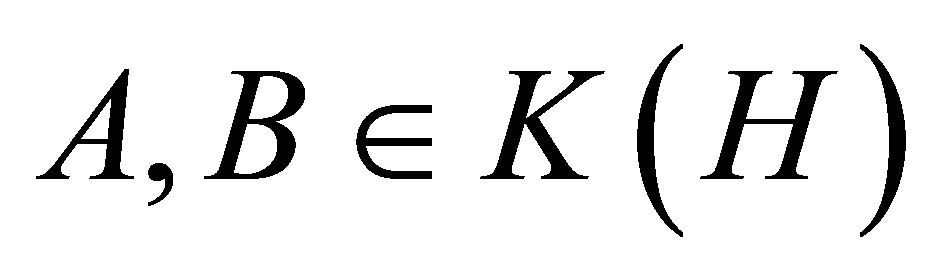 are positive, then
 (1.6)
(1.6)
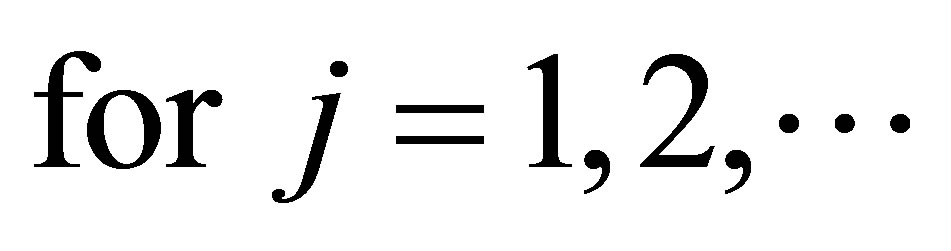 We will give a new inequality which generalizes (1.5), and is equivalent to the inequalities (1.1), (1.2), (1.3), (1.4), (1.5), and (1.6):
Let  such that
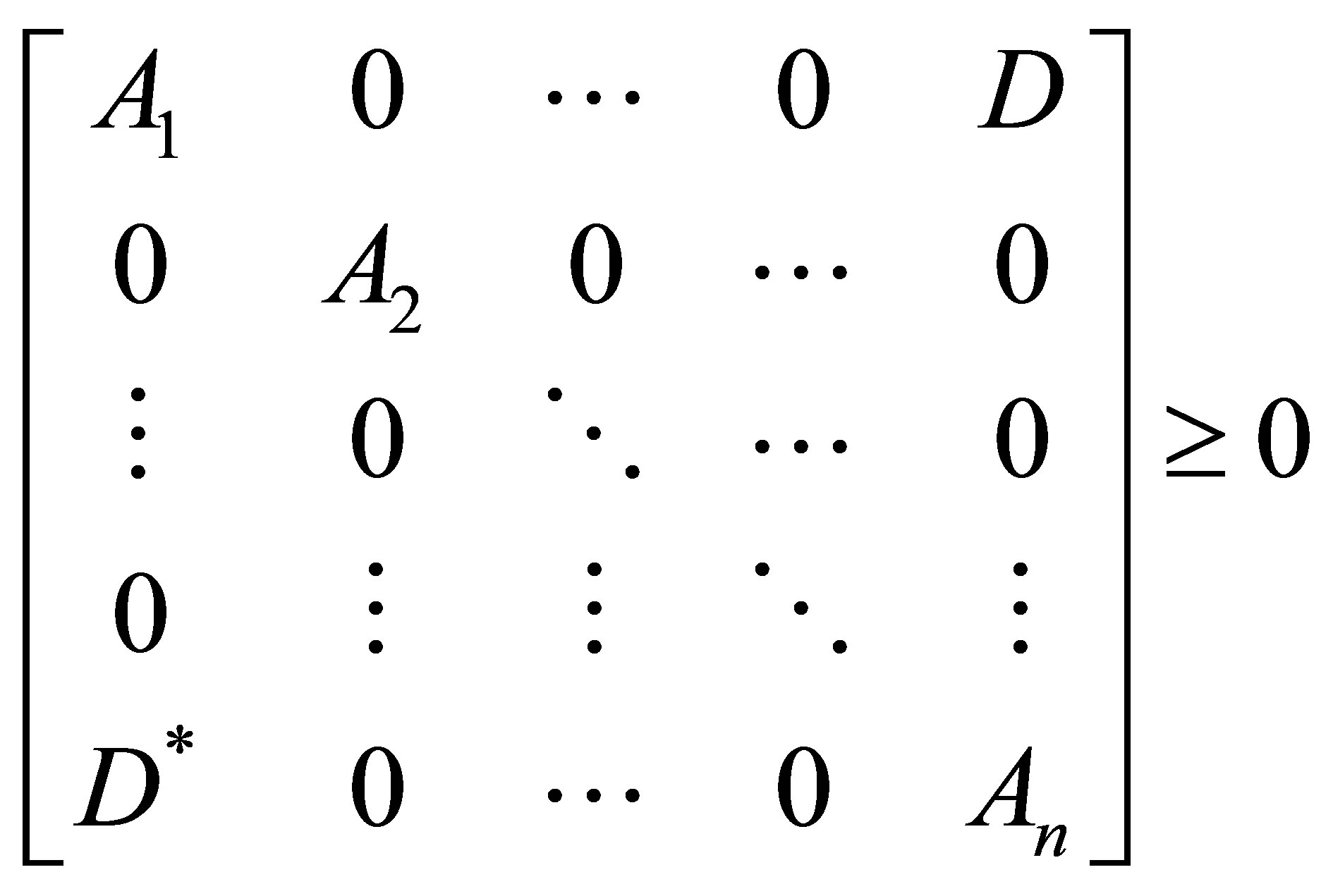 , then
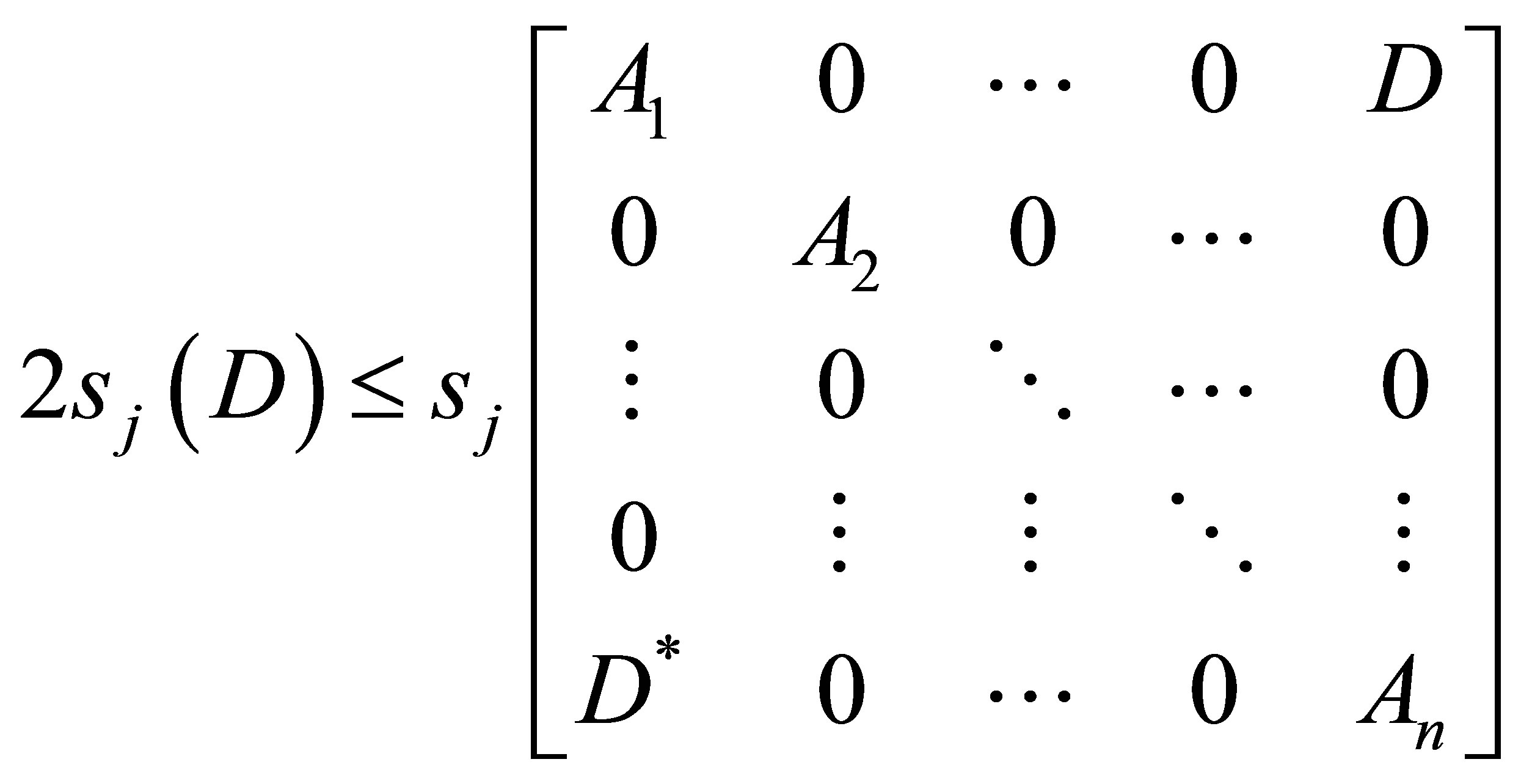 (1.7)
(1.7)
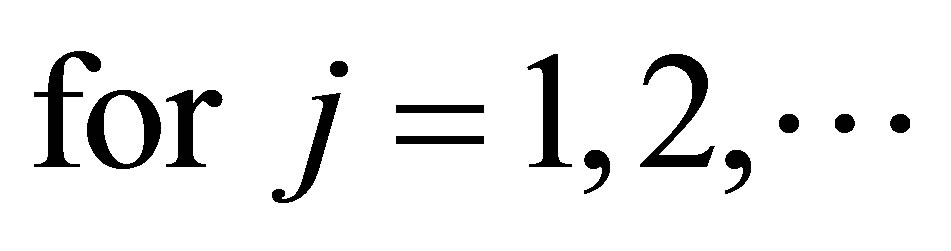 Bhatia and Kittaneh have proved in [8] that if
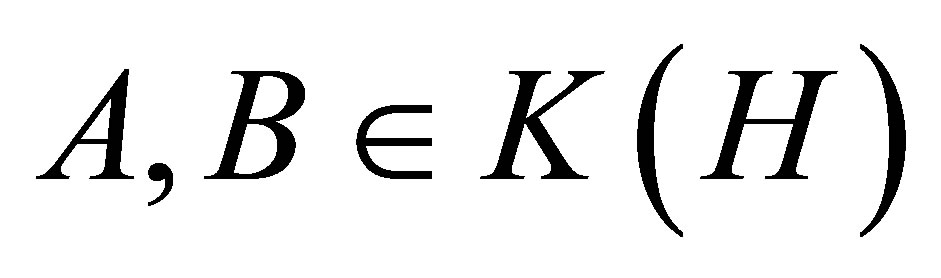 , such that
 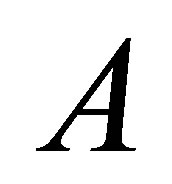 is self-adjoint,
 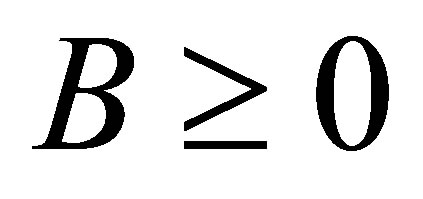 , and
, and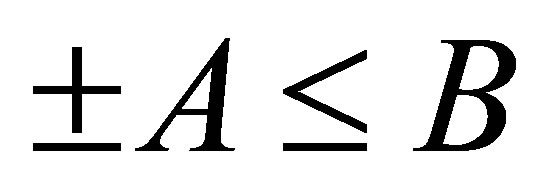 , then
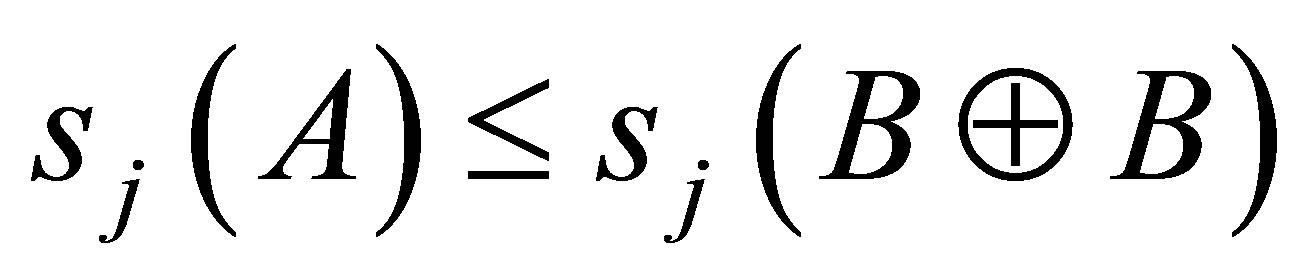 (1.8)
(1.8)
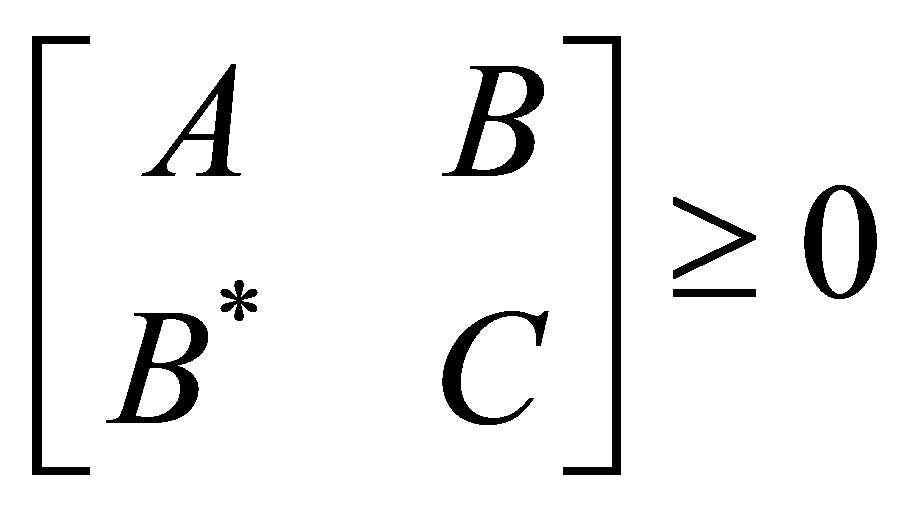
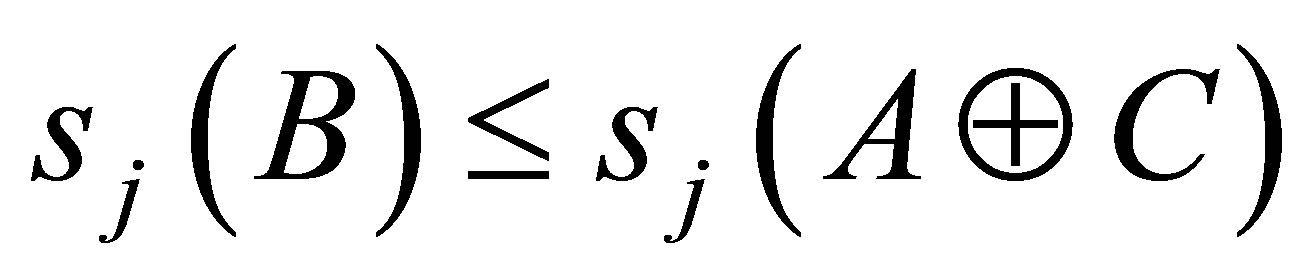
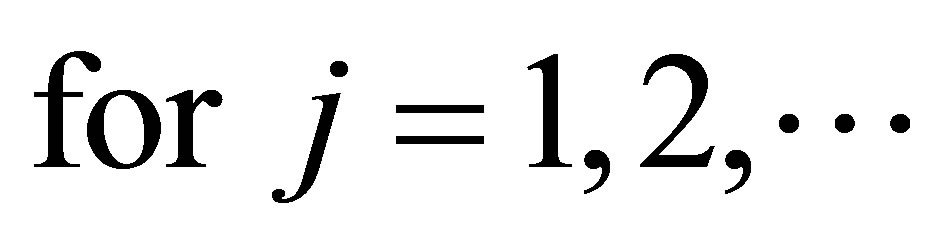 Audeh and Kittaneh have proved in [5]
that if 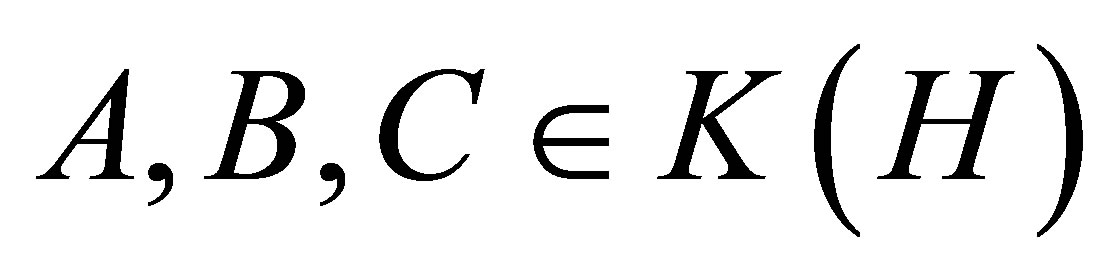 such that
 , then
 (1.9)
(1.9)
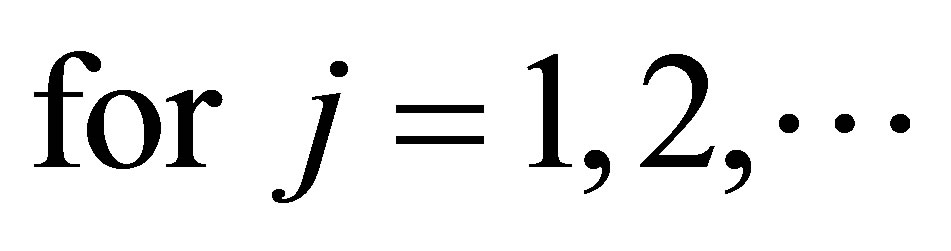
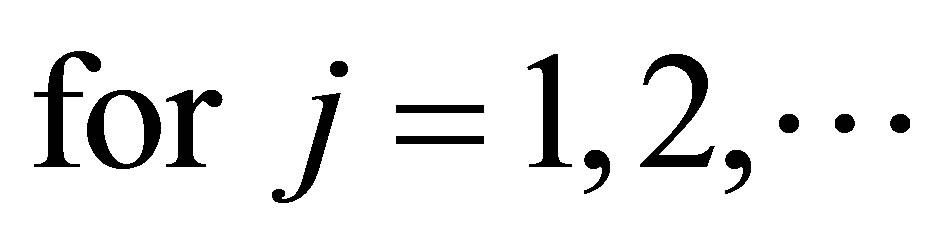 We will prove a new inequality which generalizes (1.9), and is equivalent to the inequalities (1.8) and (1.9):
If  such that
 , then
 (1.10)
2. Main Result
Our first singular value inequality is equivalent to and more general than the inequalities (1.1) and (1.2).
Theorem 2.1 Let  Then
Then
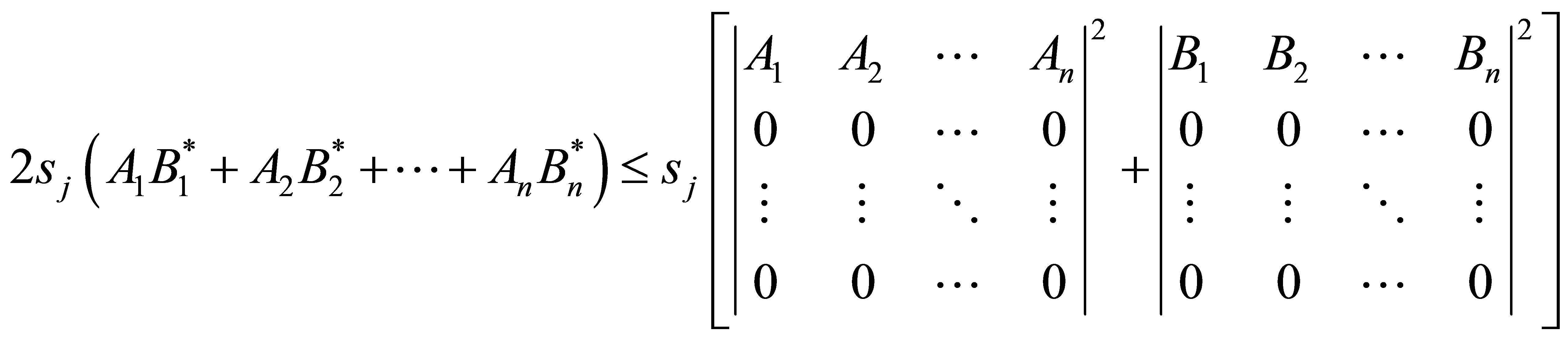
Proof. Let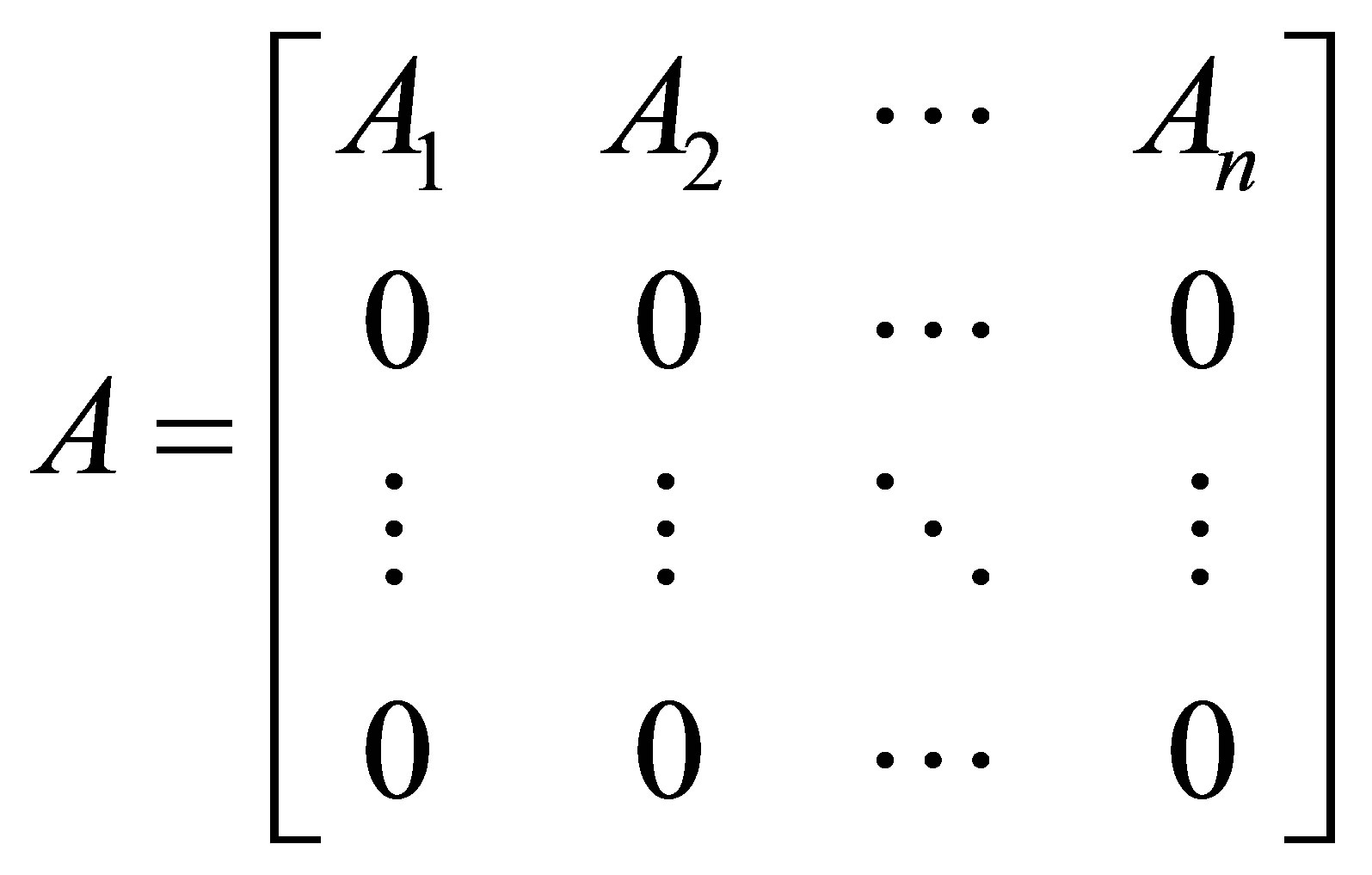 ,
, 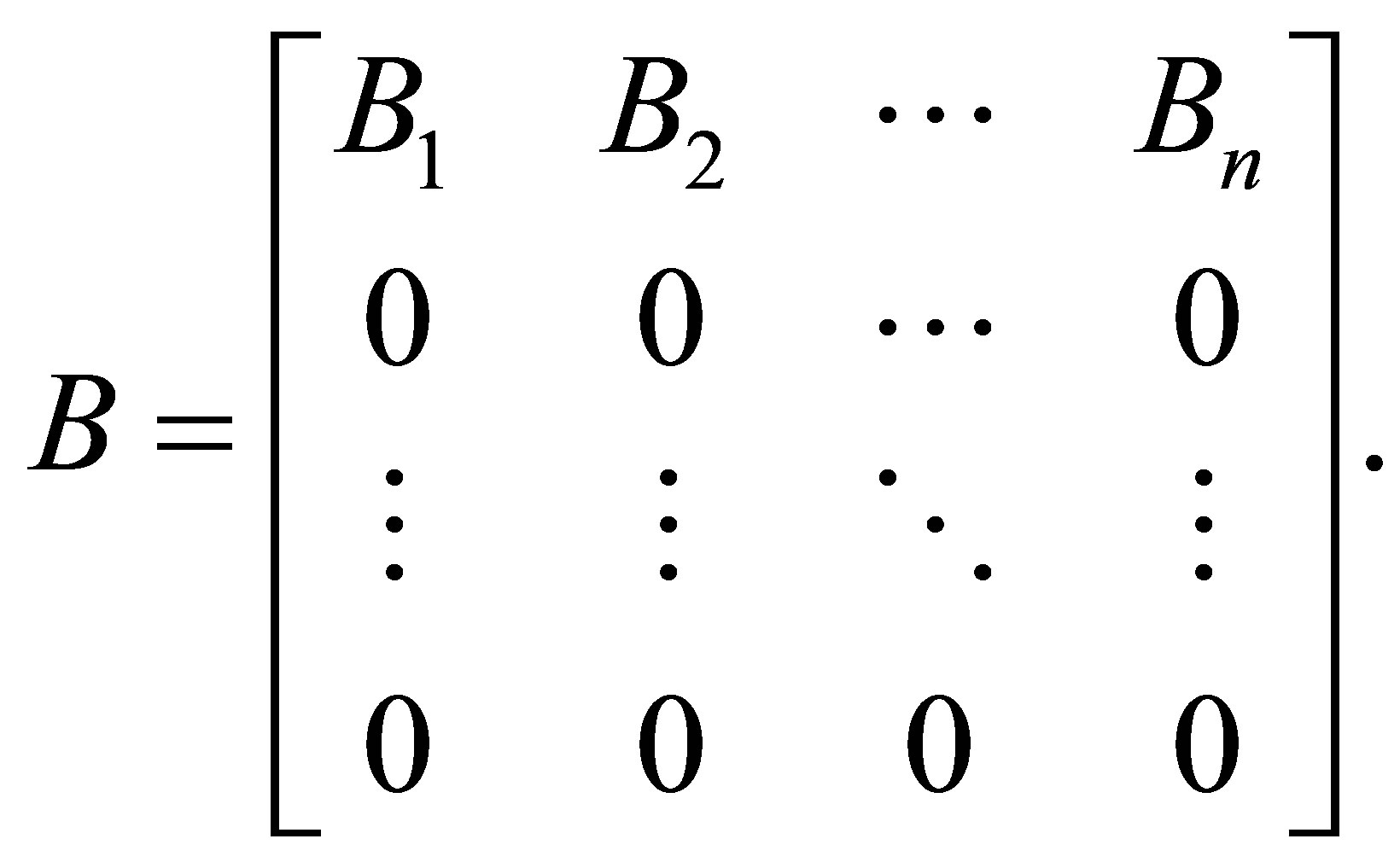 Then
Then
 , and
, and

Now, using (1.1) we get
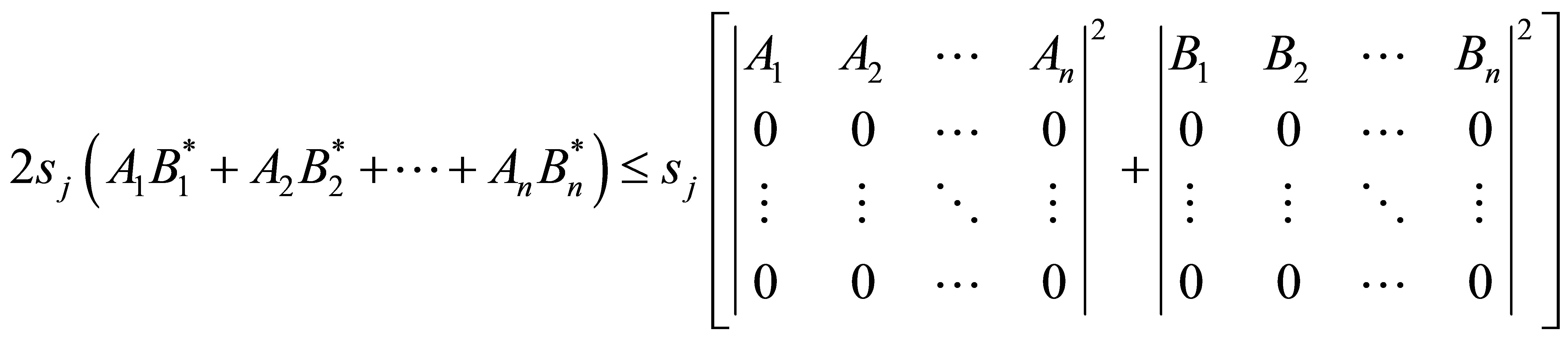
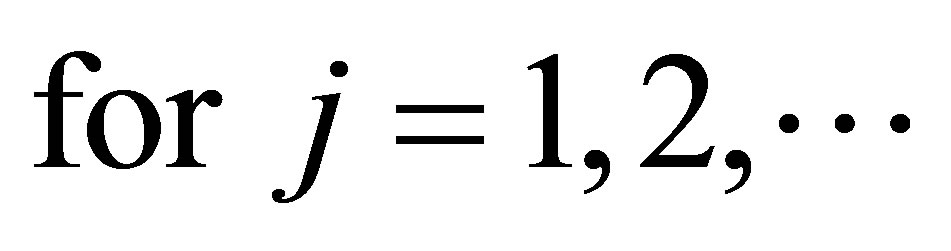
Remark 1. As a special case of (1.3), let 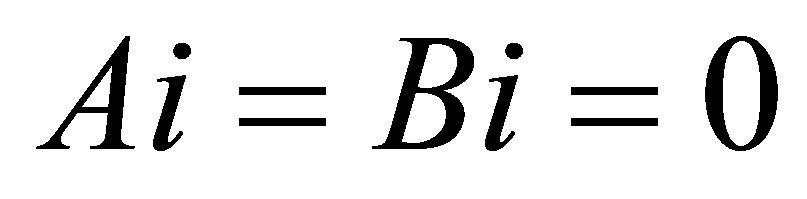
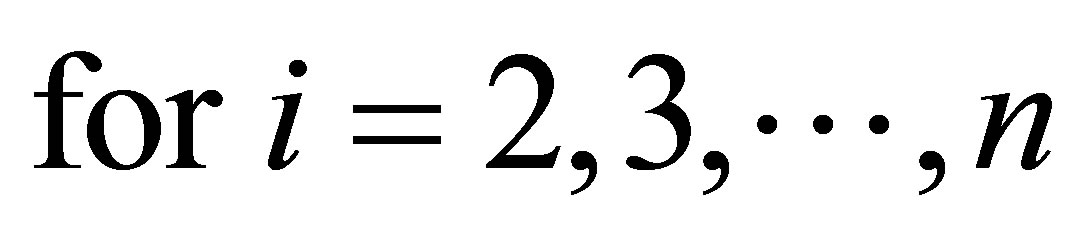 .we get (1.1)
Remark 2. As a special case of (1.3), let 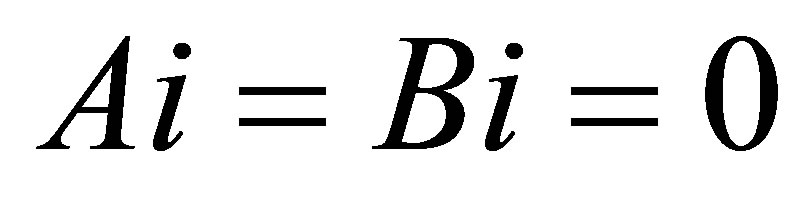
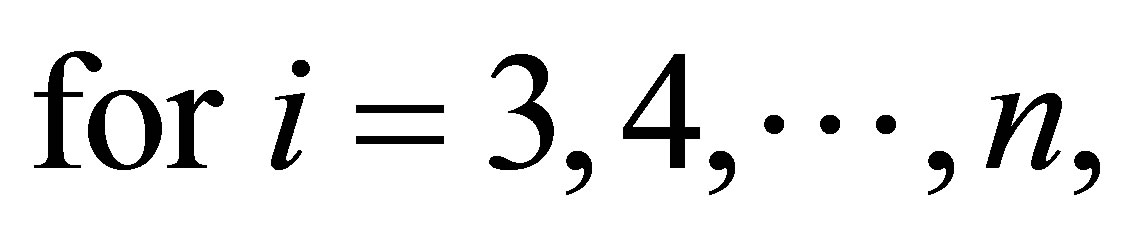 we get (1.2), to see this:
Replace 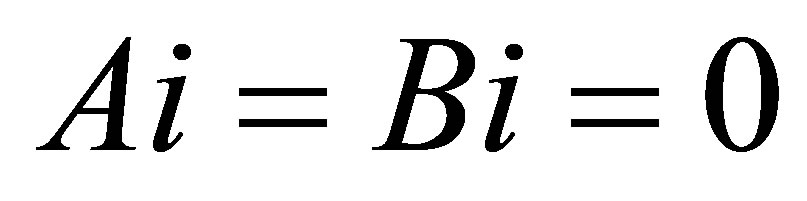
 we get
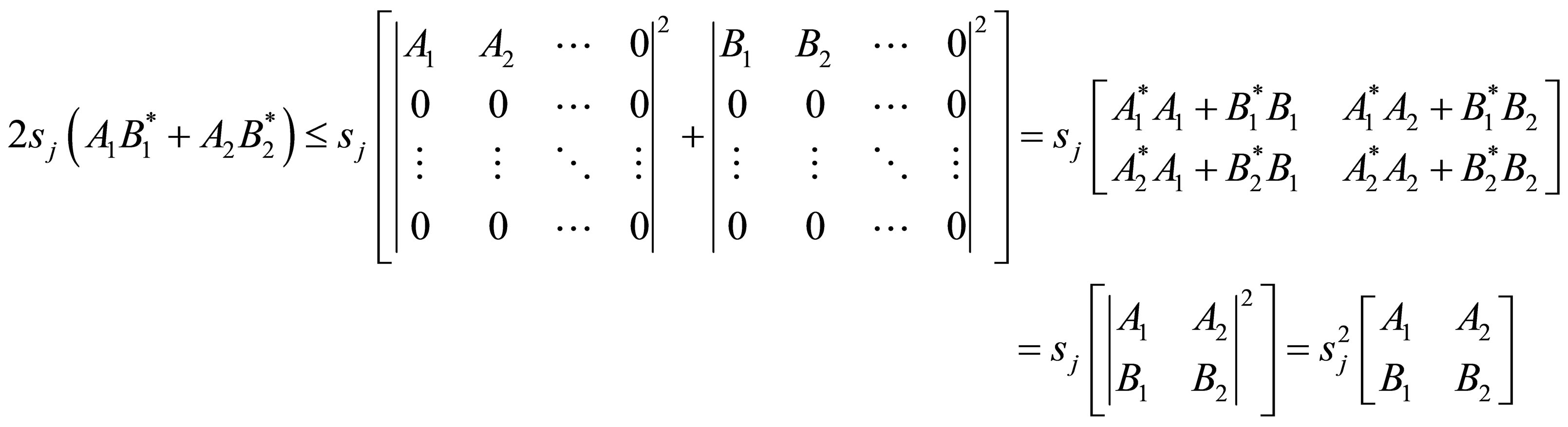
Now, we prove that the inequalities (1.1) and (1.3) are equivalent.
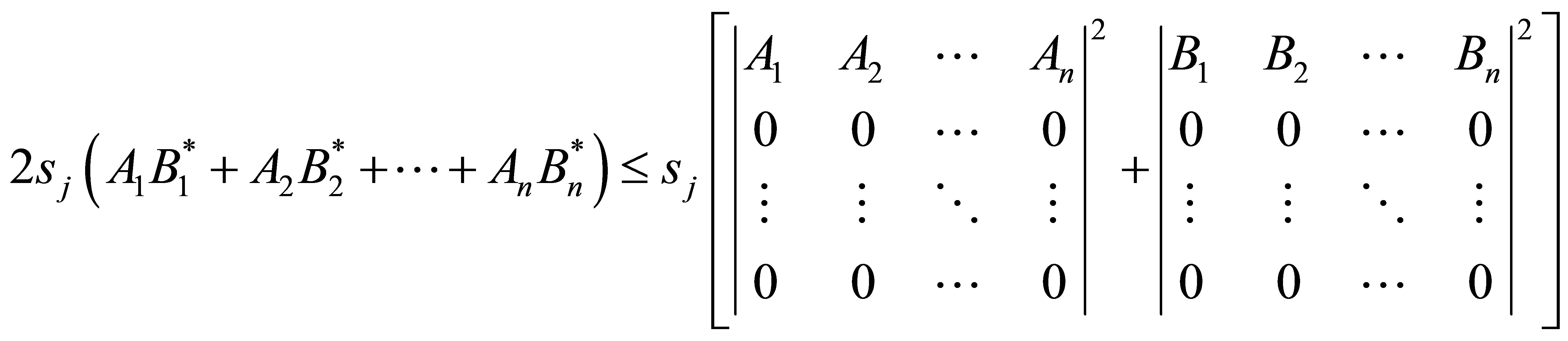
Theorem 2.2. The following statements are equivalent:
(i) If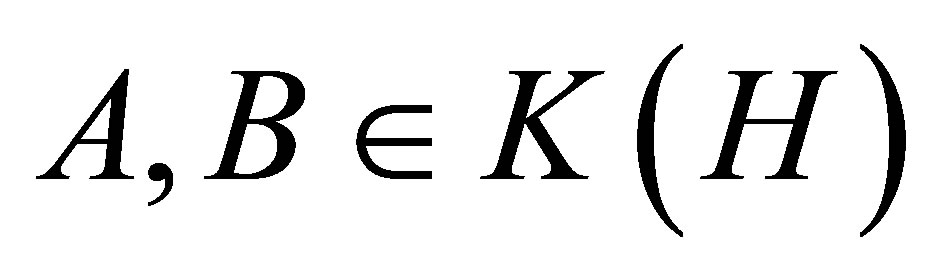 , then
(ii) Let  Then
Then
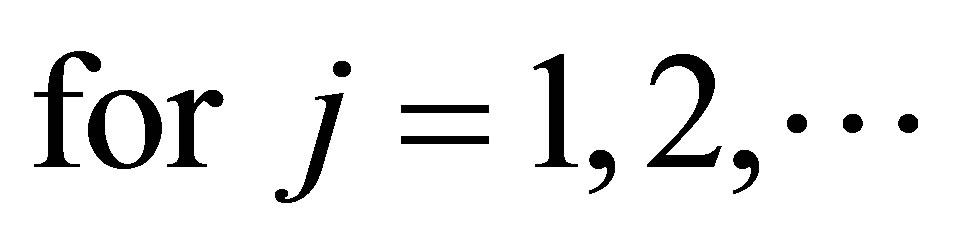
Proof. 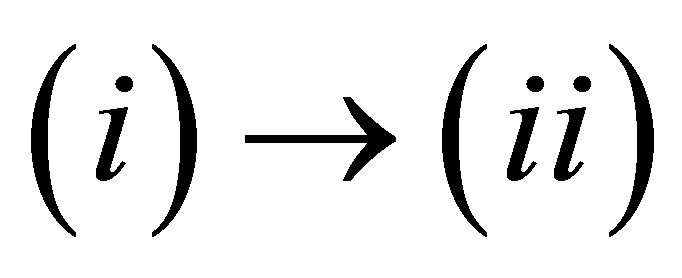 This implication follows from the proof of Theorem 2.1.
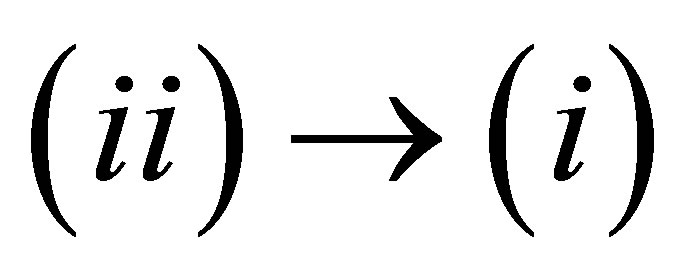 This implication follows from Remark 1.
Remark 3. It can be shown trivially that (1.1) and (1.2) are equivalent. By using this with Theorem 2.2, we conclude that the inequalities (1.2) and (1.3) are equivalent. Chaining this with results in [5], we get that the inequalities (1.1), (1.2), (1.3), (1.4), (1.5), and (1.6) are equivalent.
Our second singular value inequality is equivalent to the inequality (1.4).
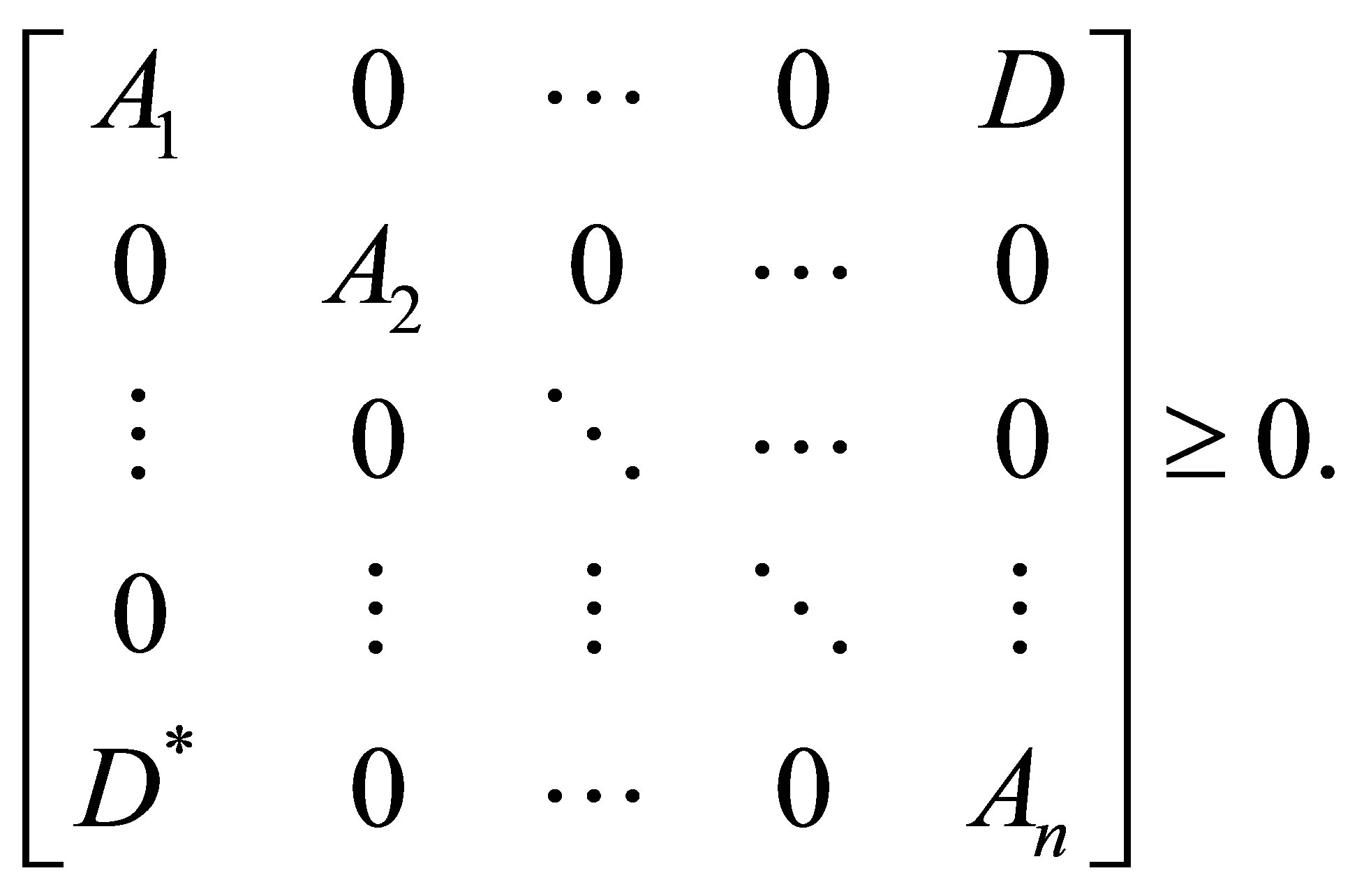
Theorem 2.3. Let  such that
 Then
Then 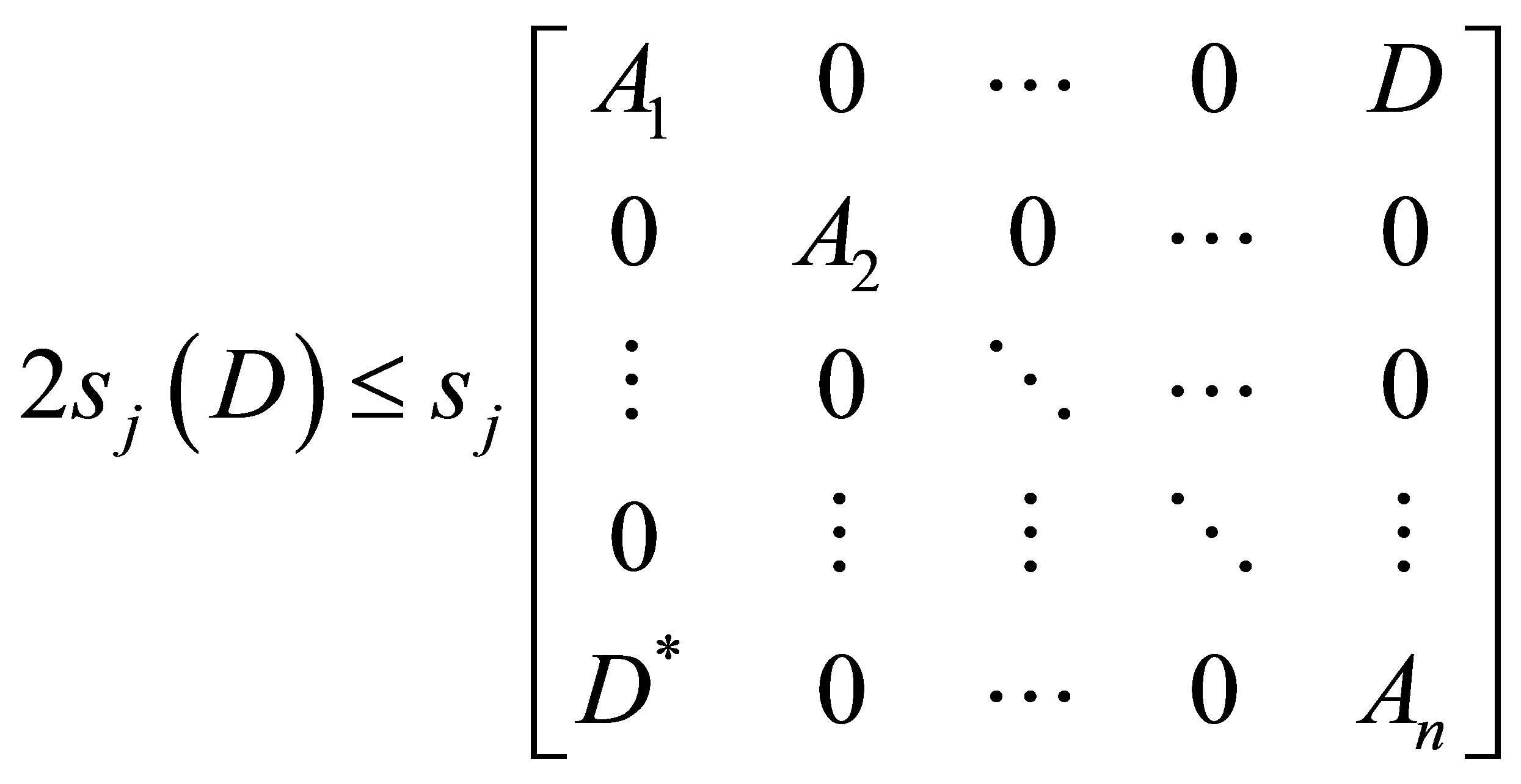
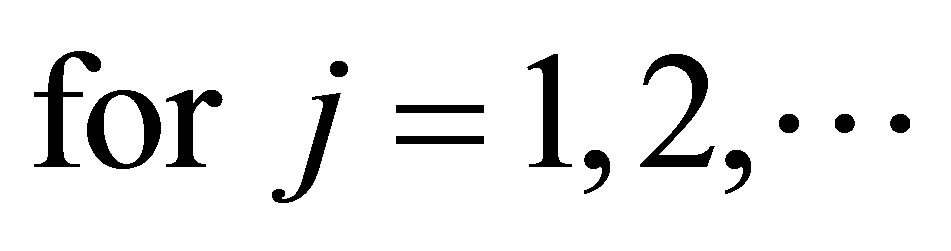
Proof. Since
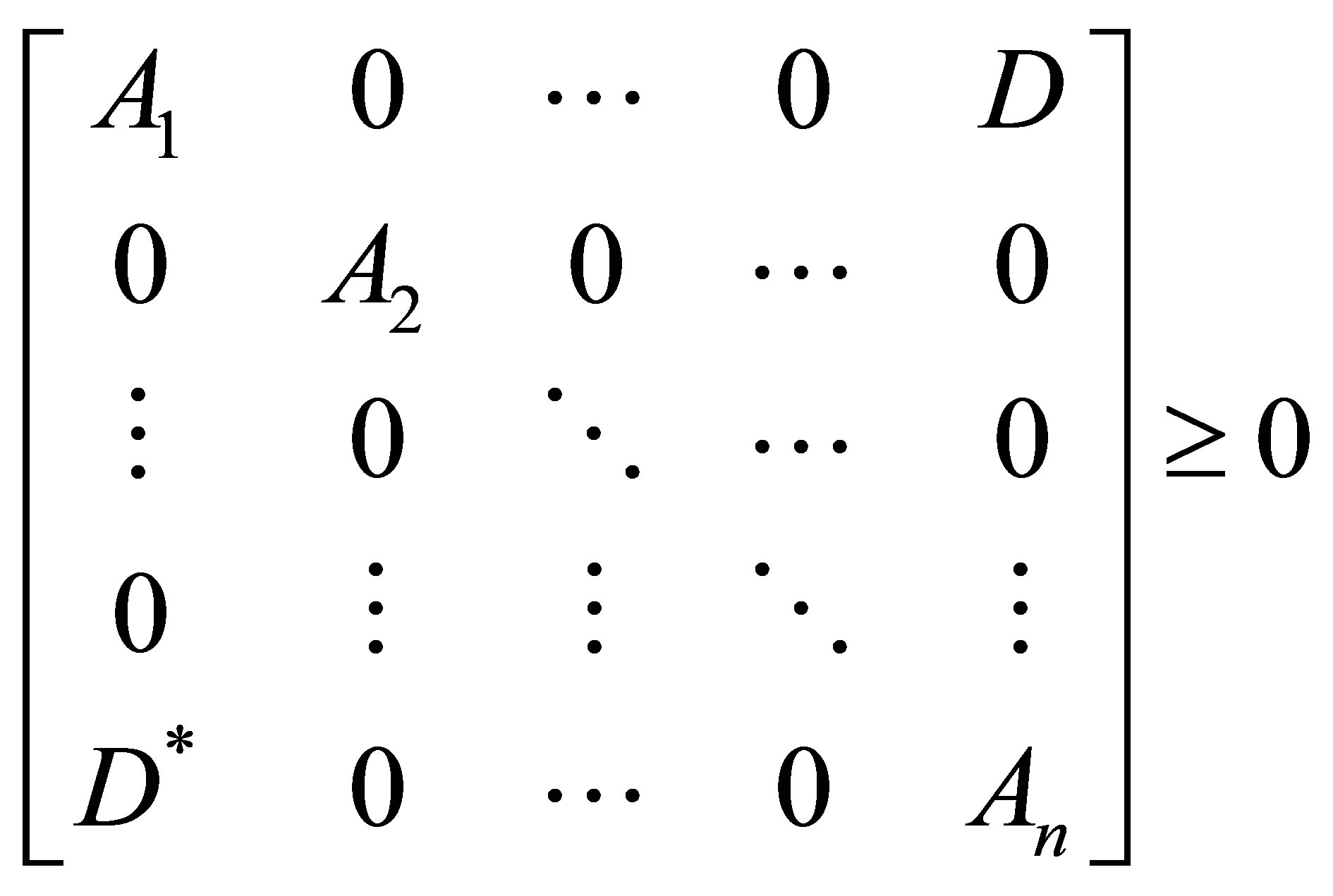 it follows that
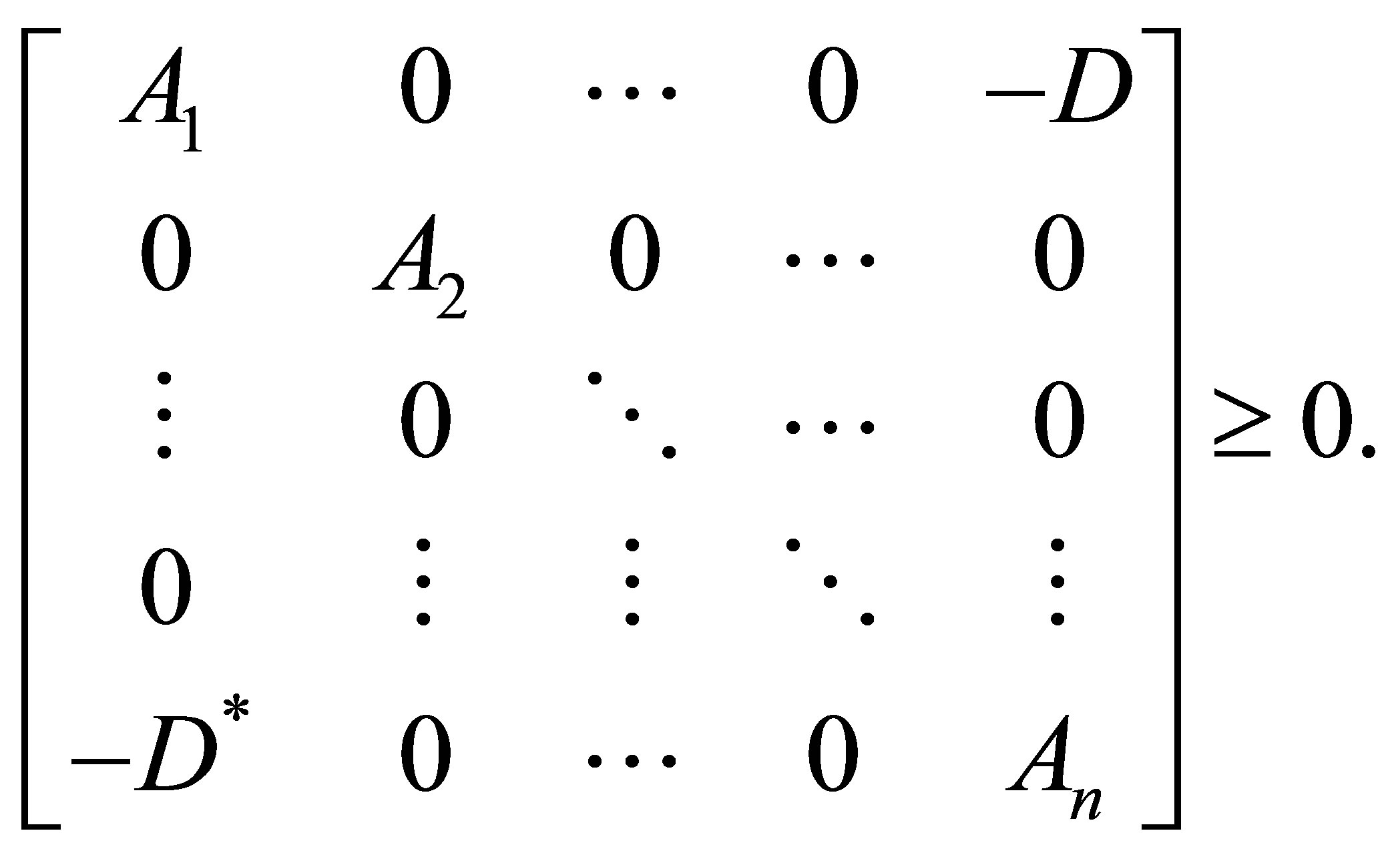
In fact, if 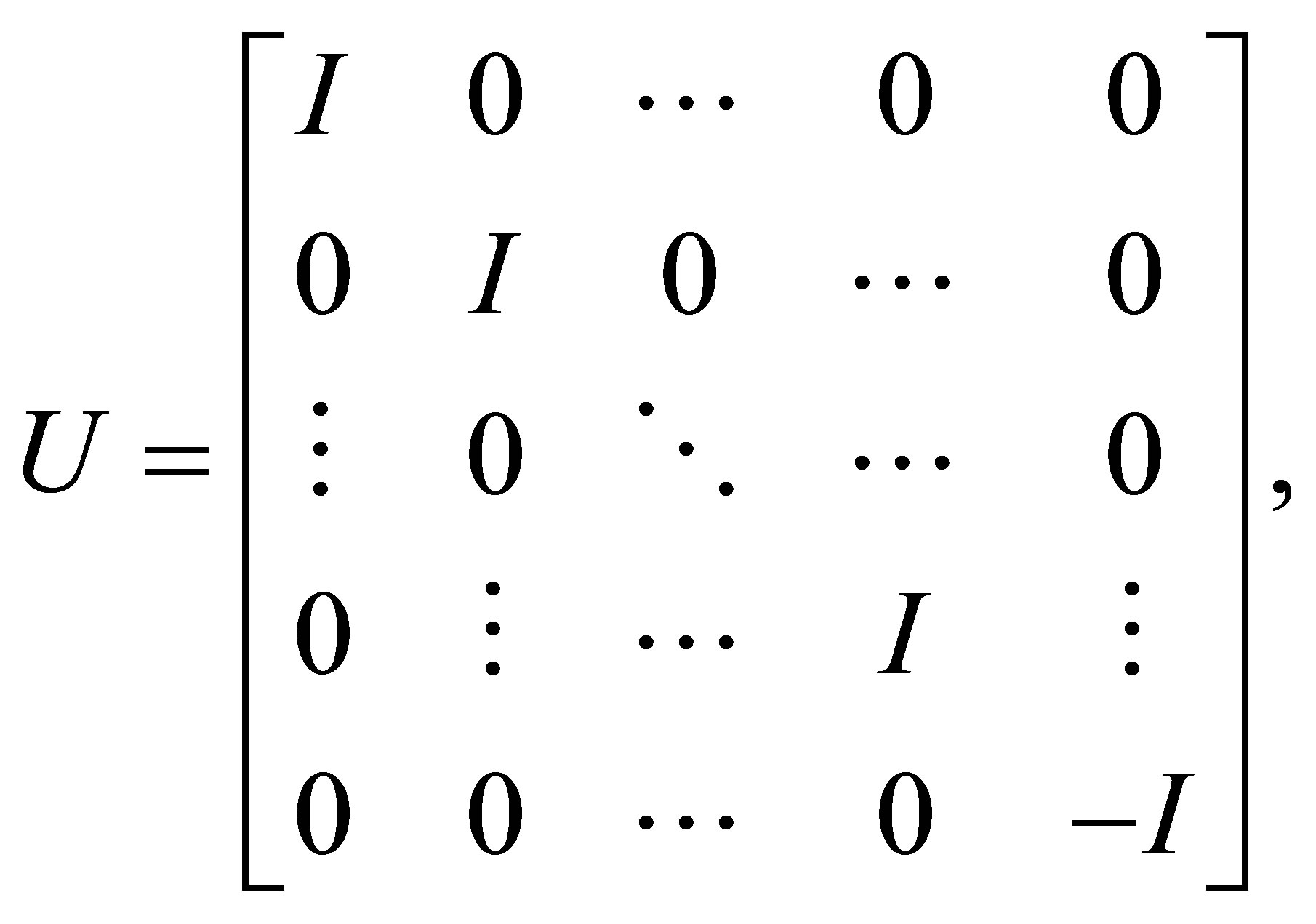 then
then 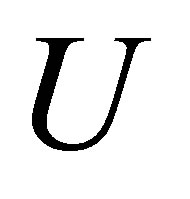 is unitary and
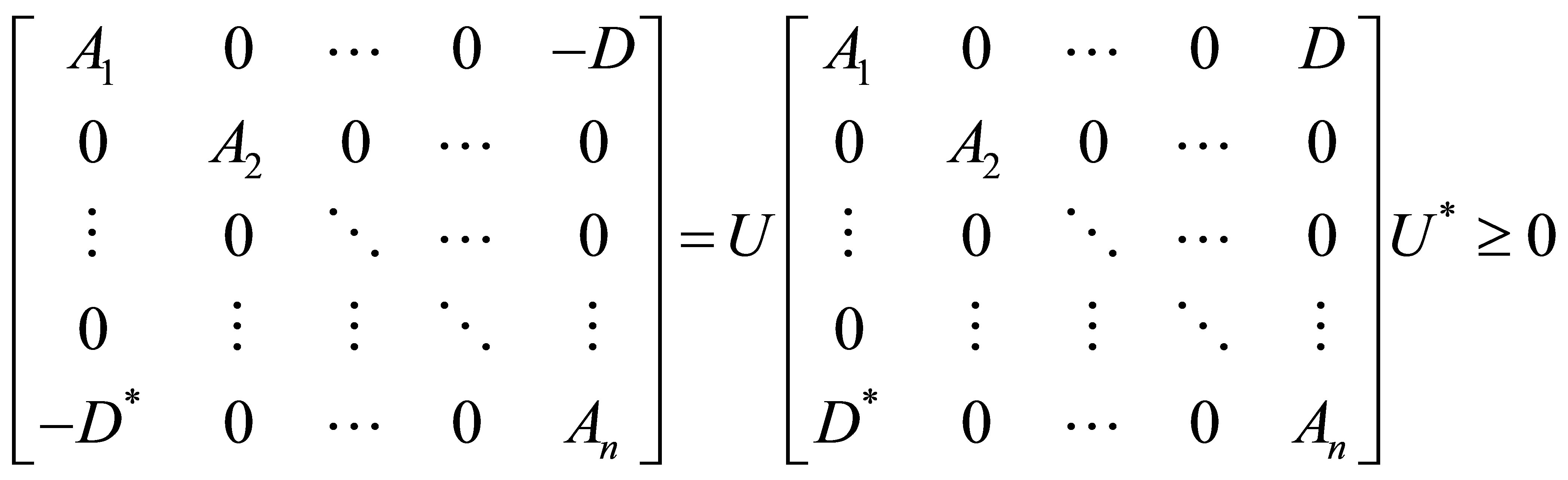
Thus
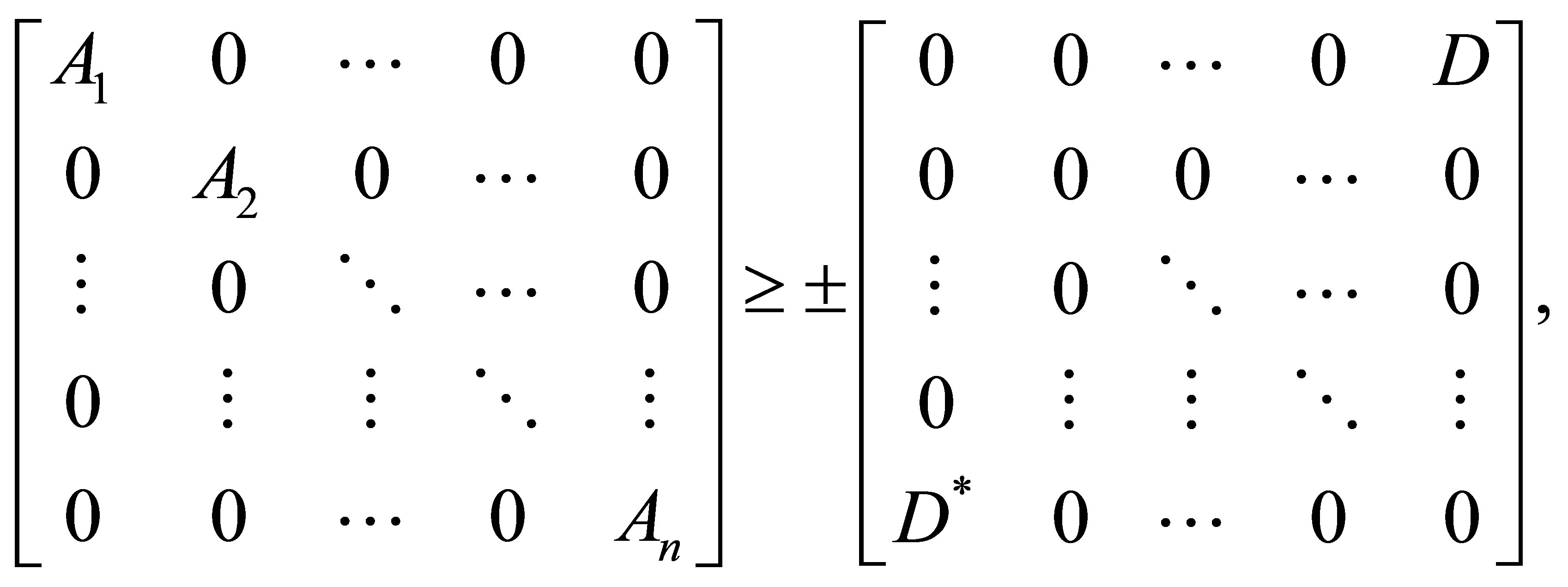
and so by applying the inequality (1.4), we get
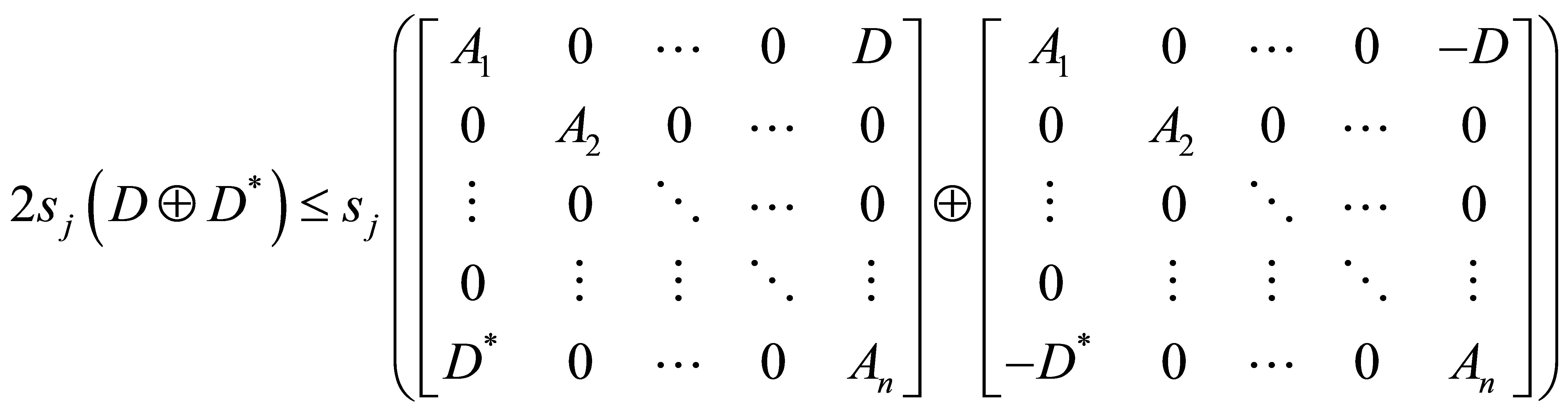
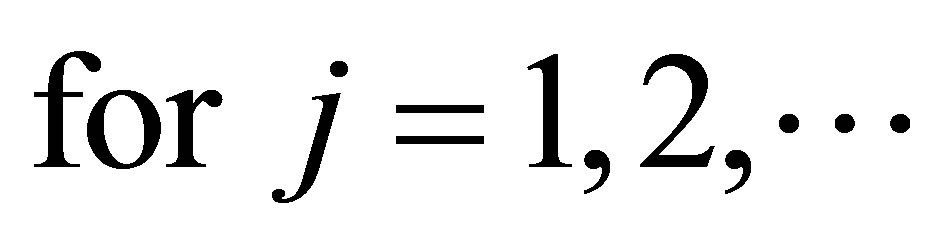 This is equivalent to saying that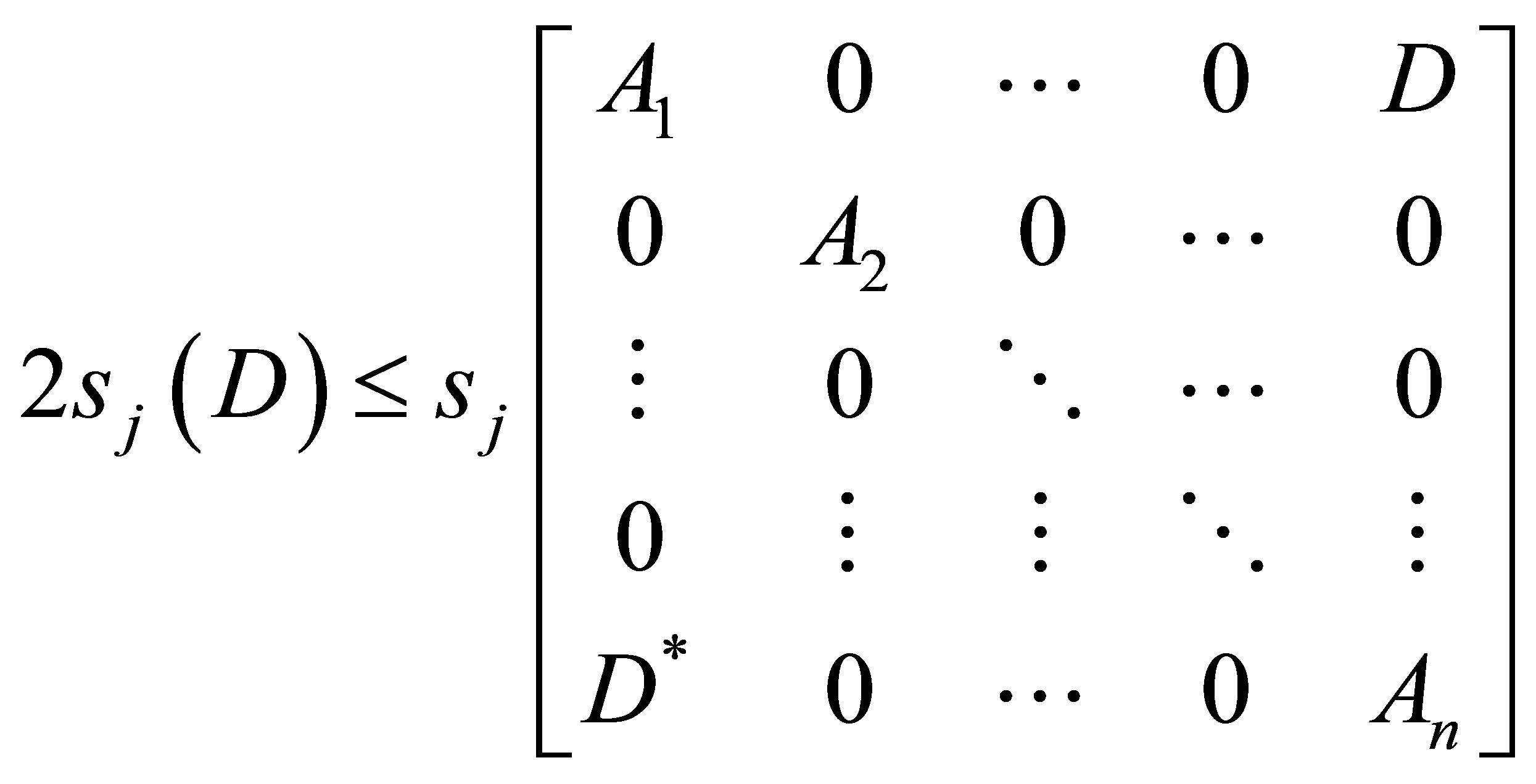
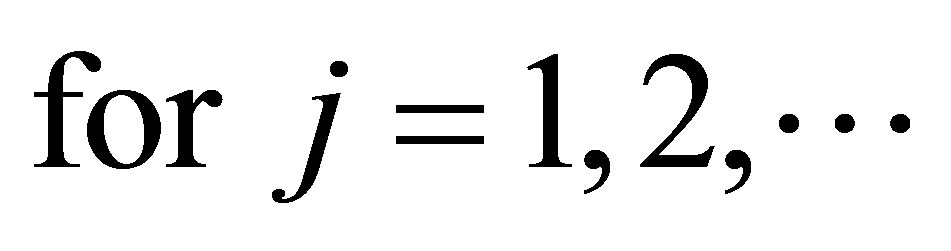
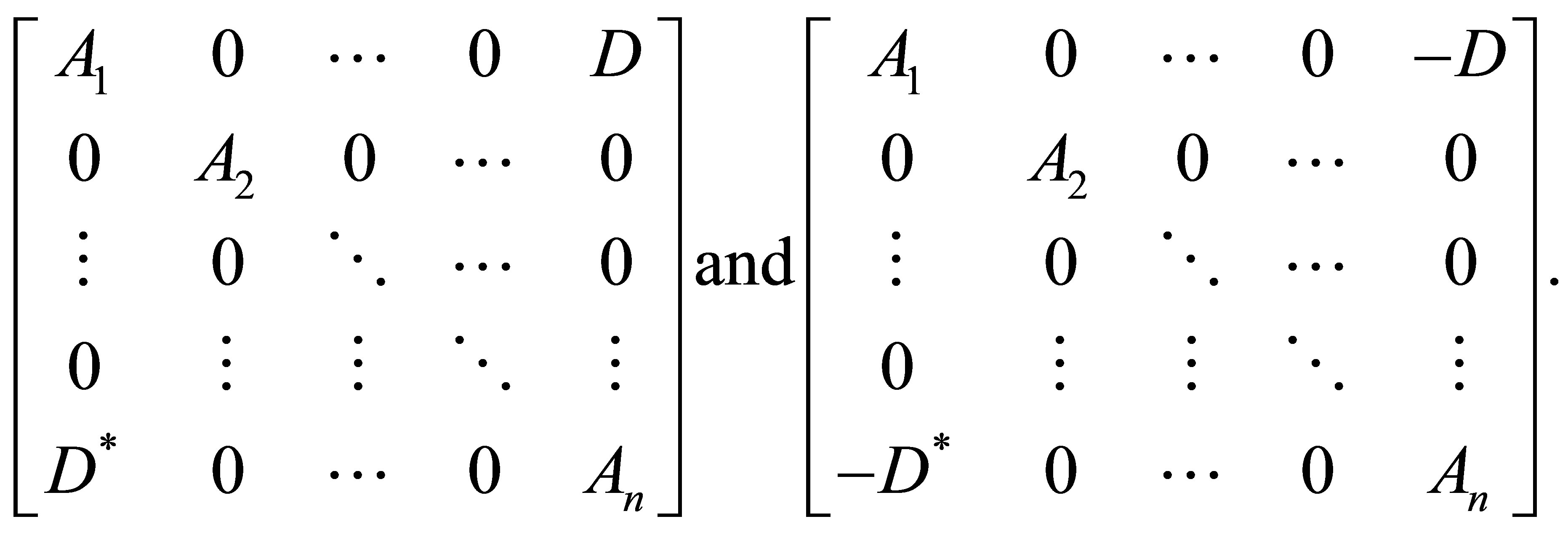
Remark 4. While the proof of the inequality (1.7), given in Theorem 2.3 is based on the inequality (1.4), it can be obtained by applying the inequality (1.6) to the positive operators
Now, we prove that the inequalities (1.4) and (1.7) are equivalent.
Theorem 2.4. The following statements are equivalent:
(i) Let 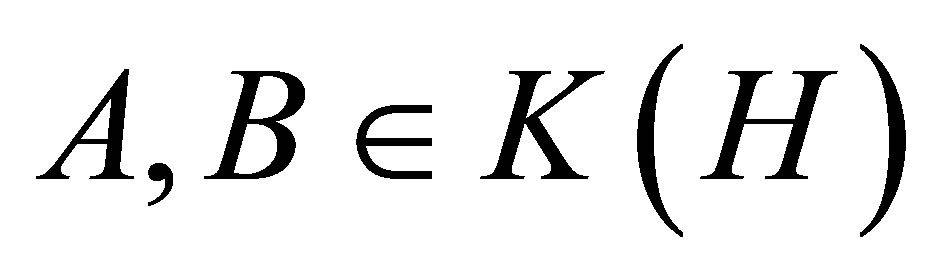 such that
 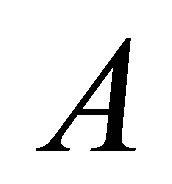 is self-adjoint,
  Then
Then

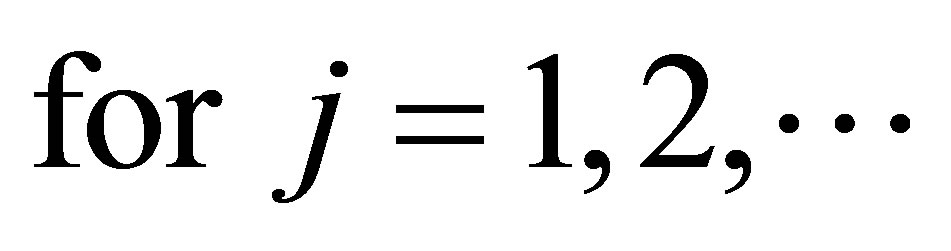
(ii) Let  such that
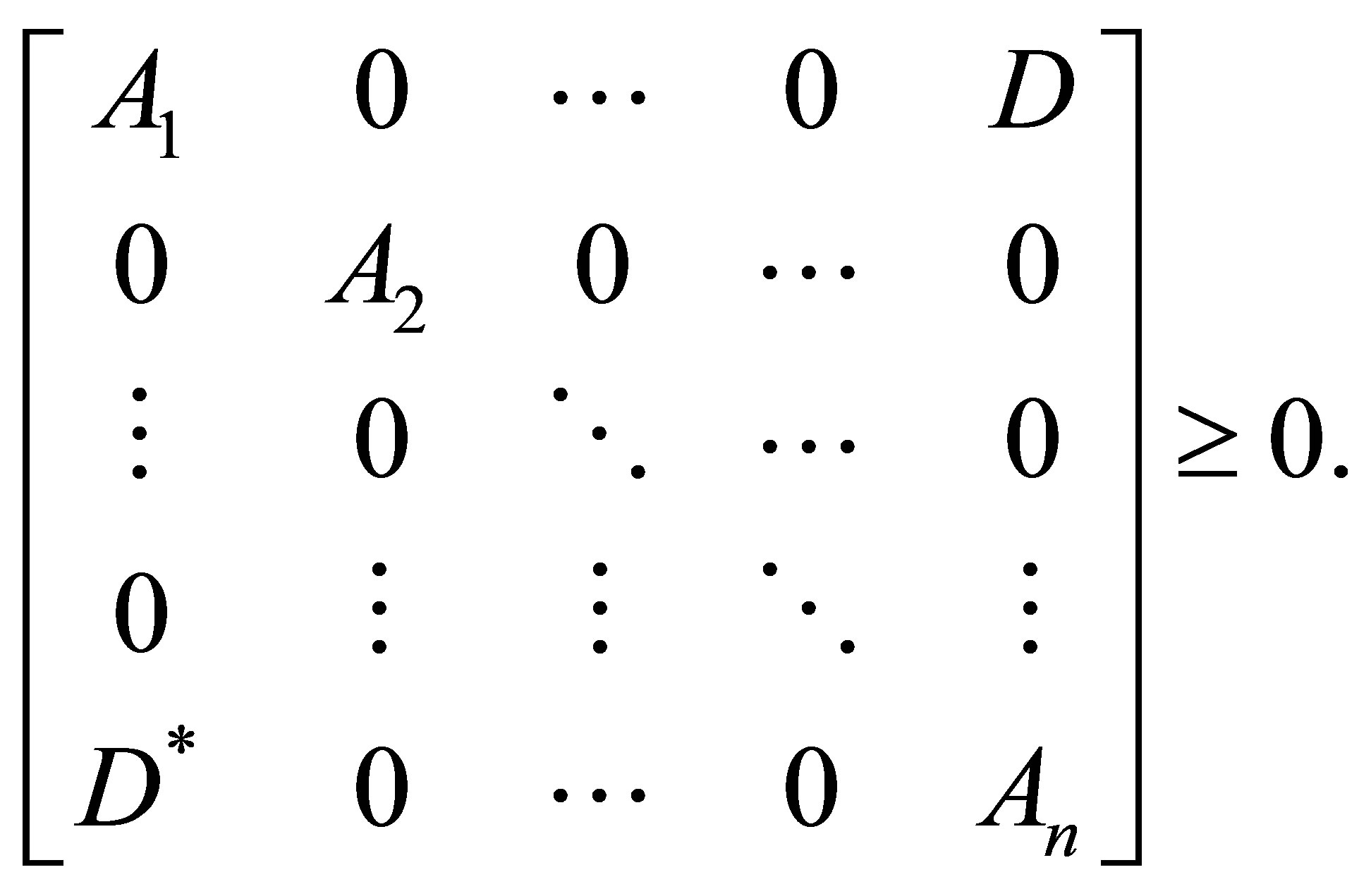
Then 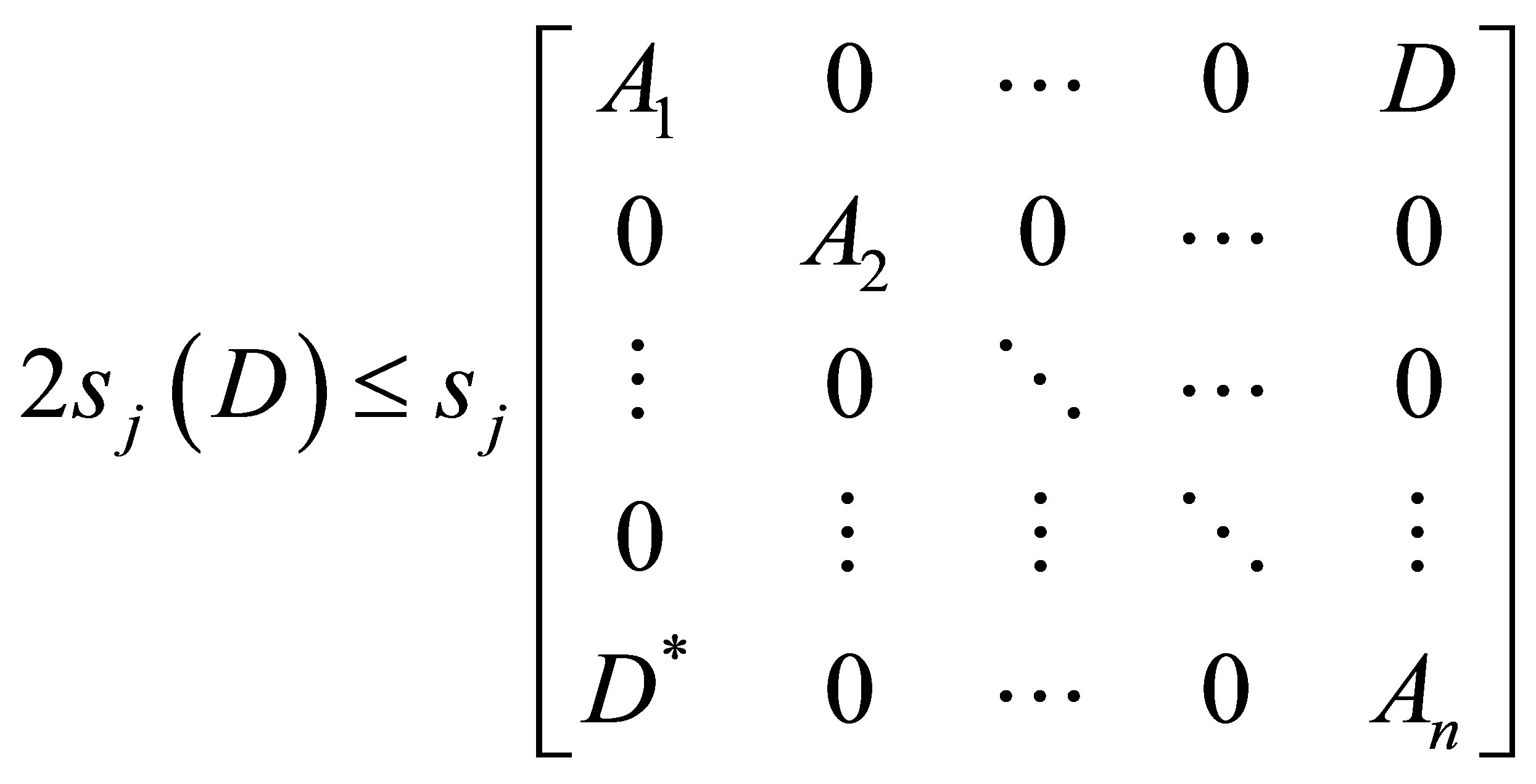
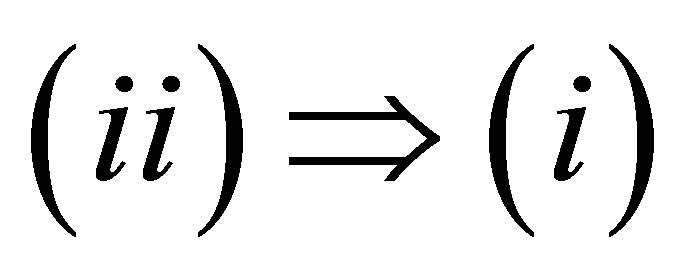
Proof. 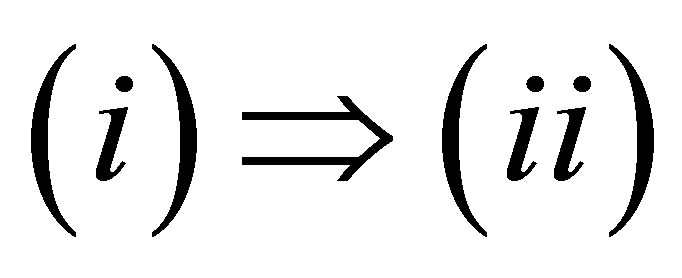 This implication follows from the proof of Theorem 2.3.
 Let
Let 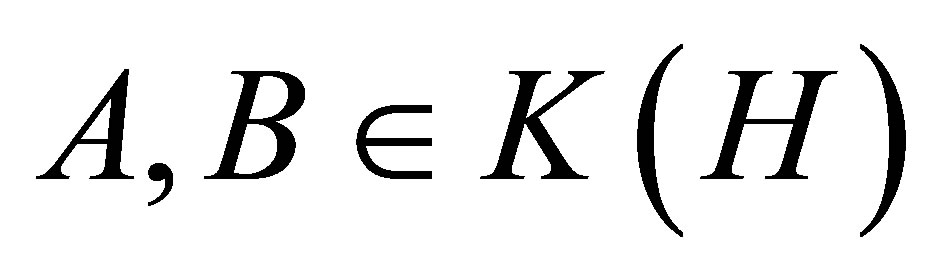 such that
 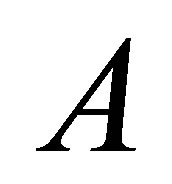 is selfadjoint,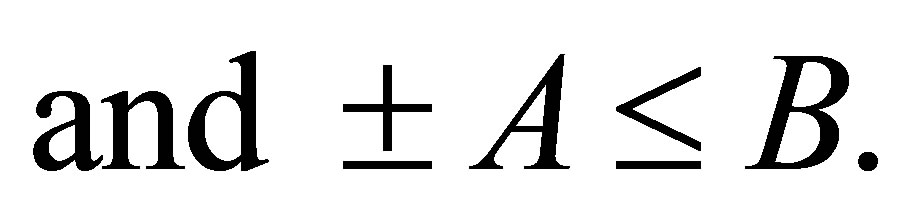
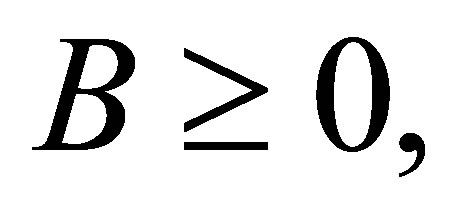 Then the matrix
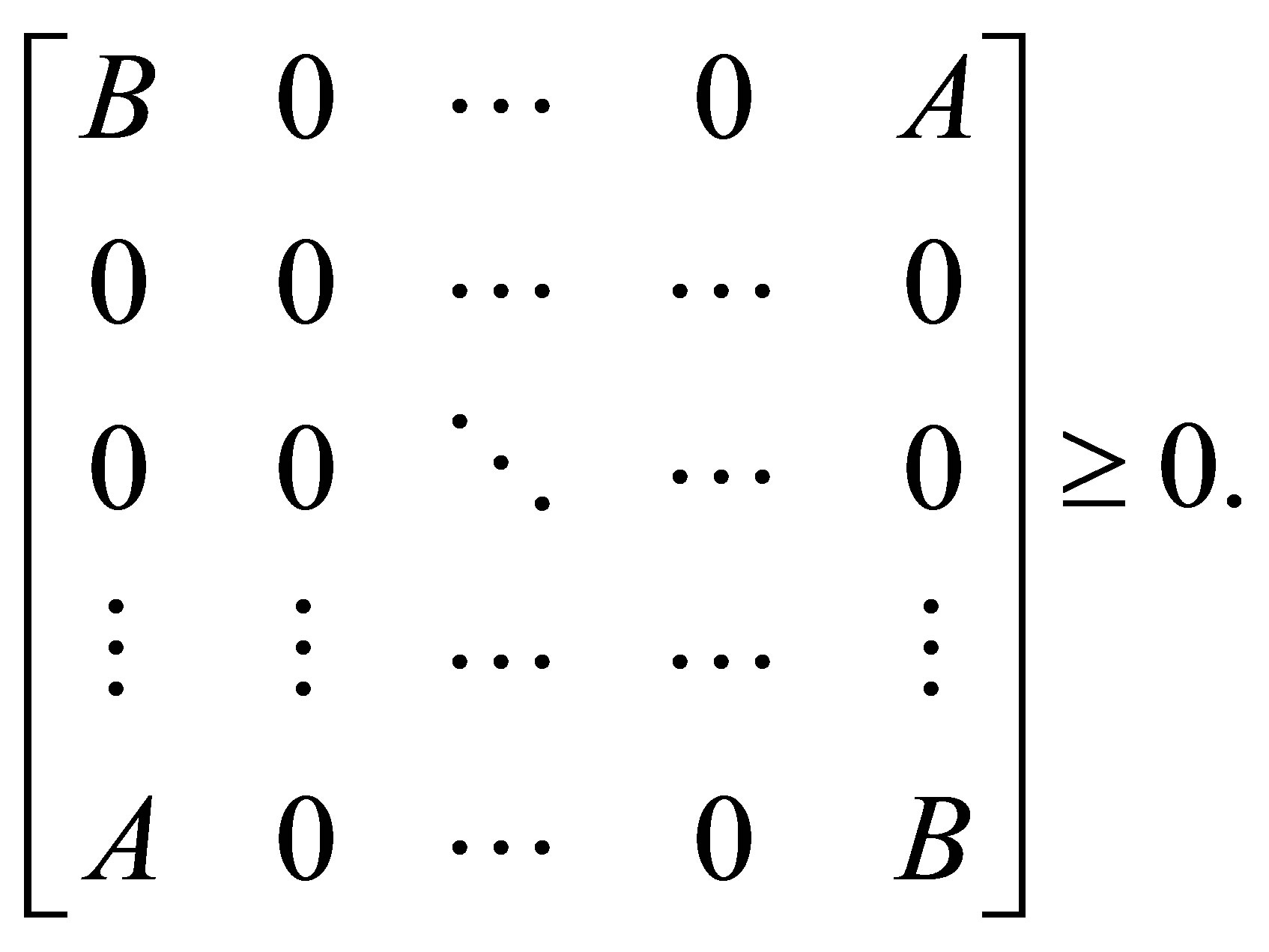
In fact, if 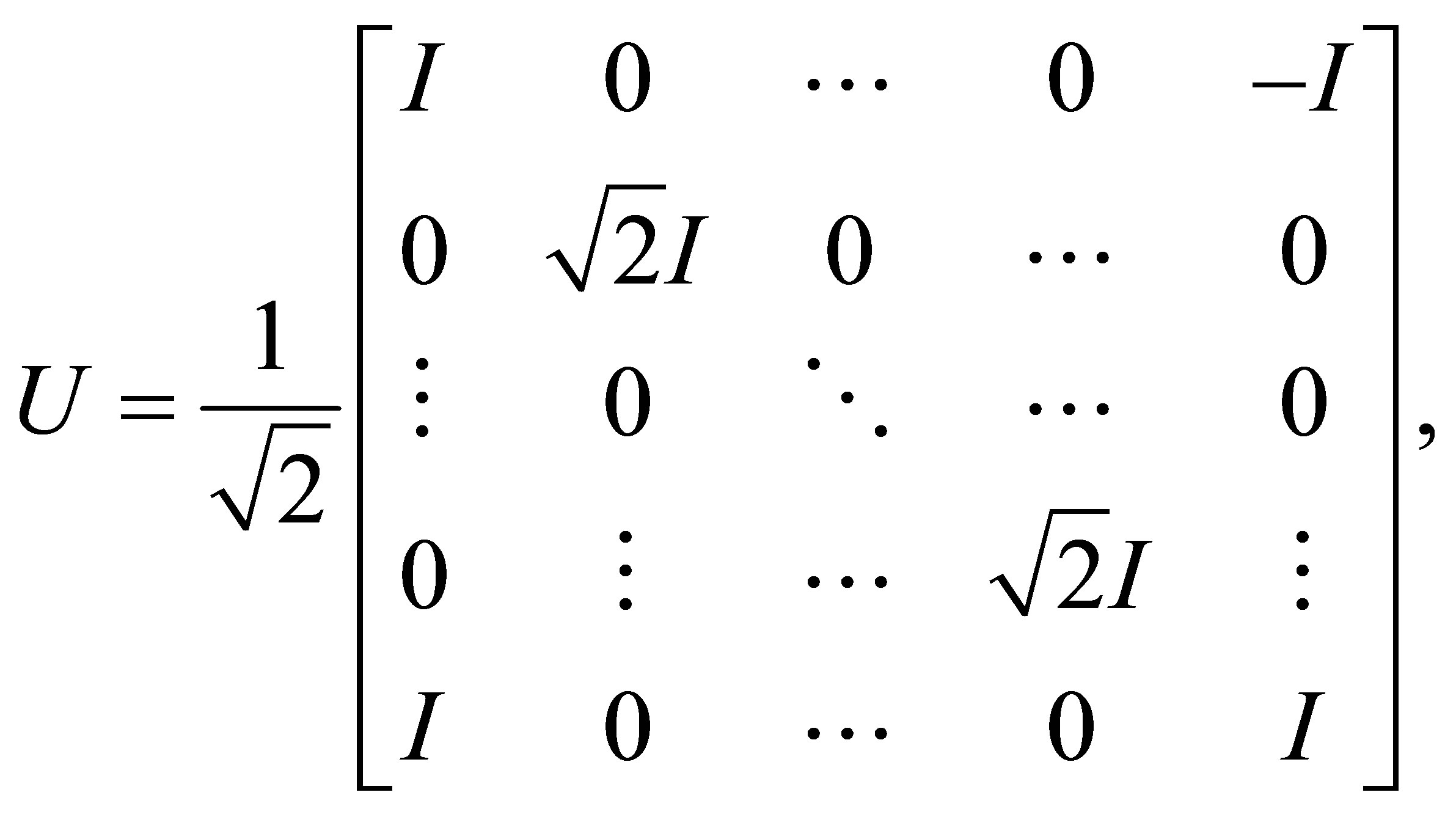 then
then 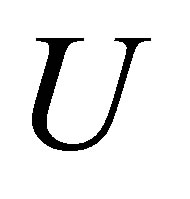 is unitary and
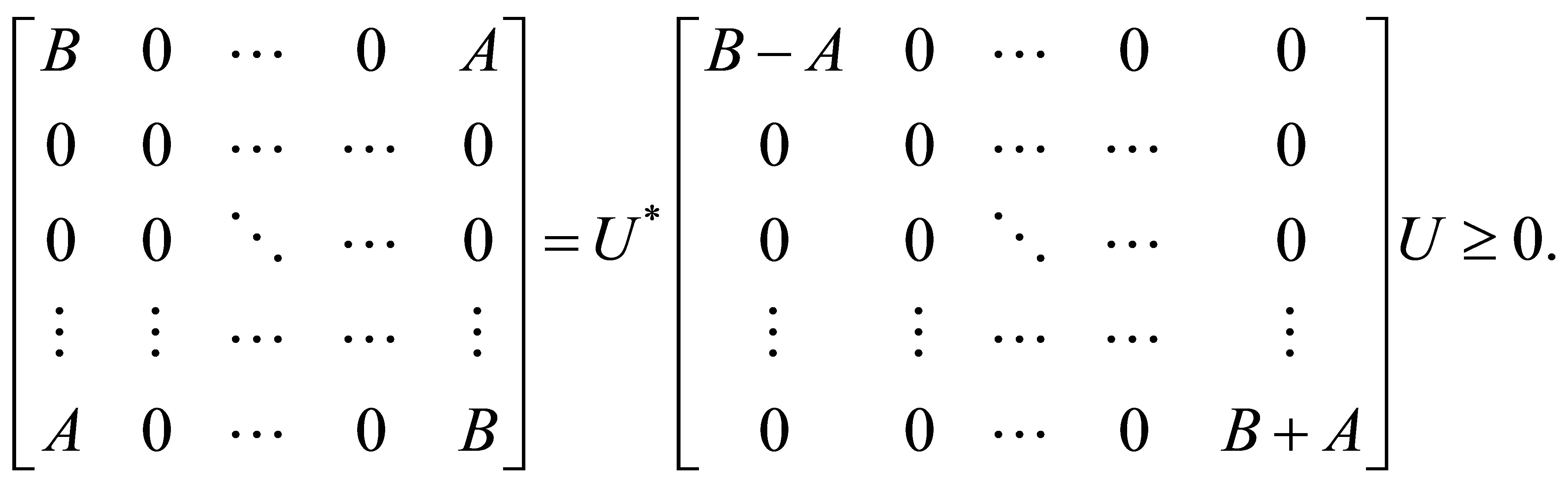
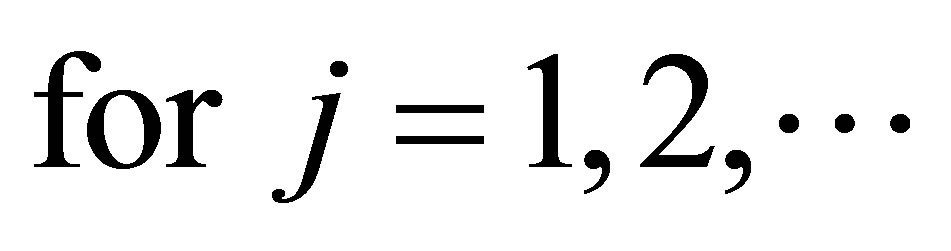
Thus, by applying (ii) we get
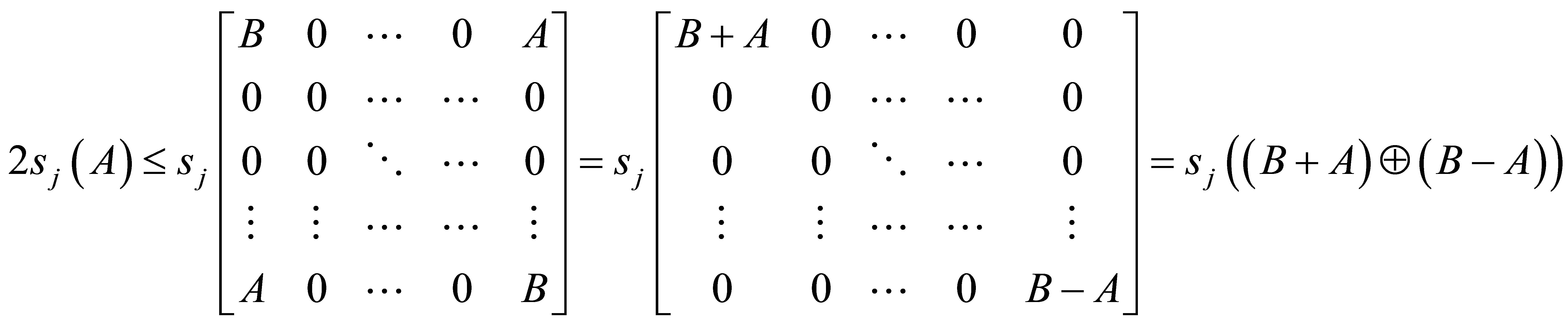
Remark 5. From equivalence of inequalities (1.4) and (1.7) in Theorem 2.4, and equivalence of the inequalities (1.1), (1.2), (1.3), (1.4), (1.5), and (1.6) in Remark 3, we get that the inequalities (1.1), (1.2), (1.3), (1.4), (1.5), (1.6) and (1.7) are equivalent.
Our third singular value inequality is equivalent to the inequalities (1.8) and (1.9).
Theorem 2.5. Let  such that
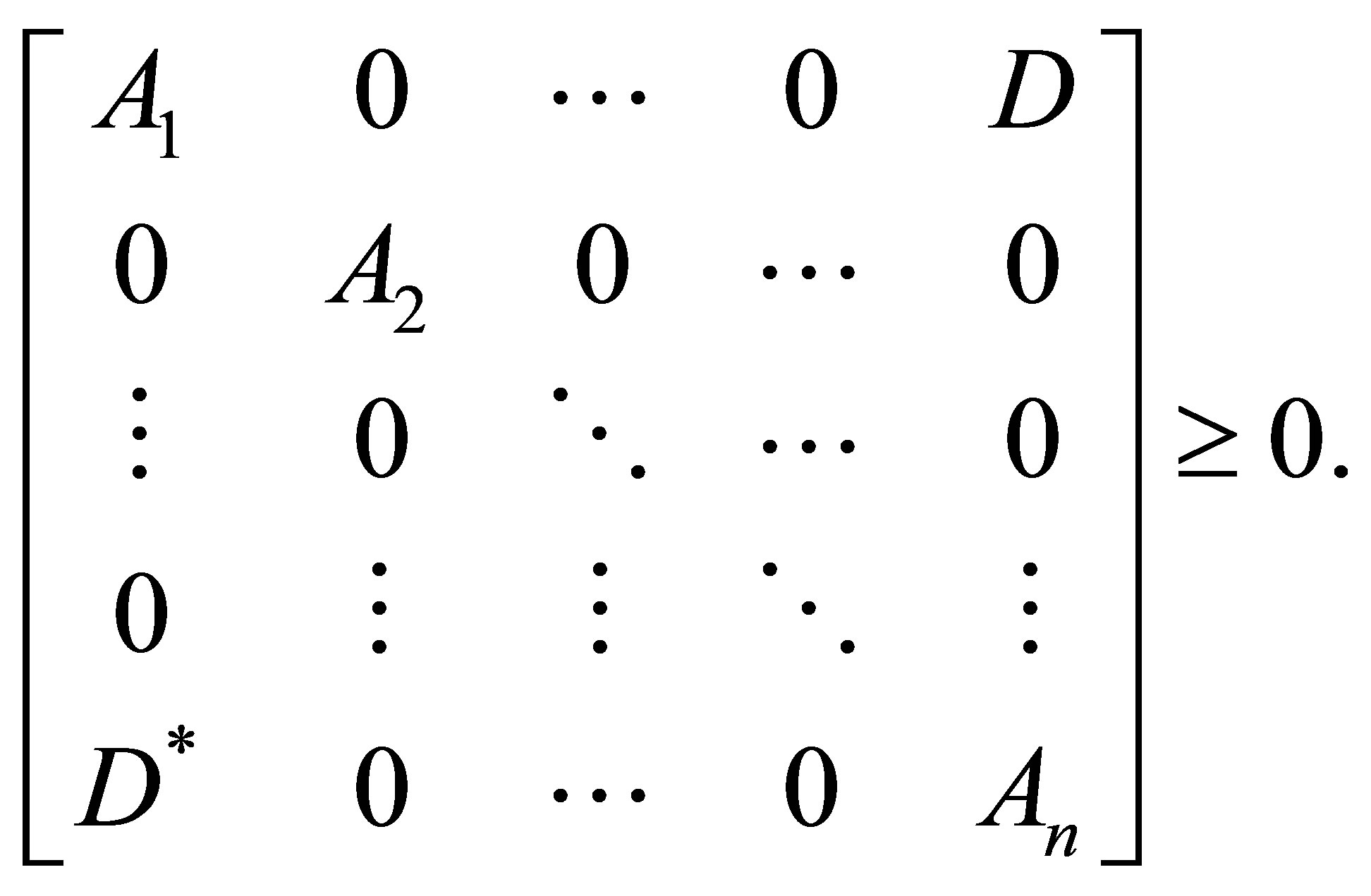 Then
Then

Proof. As in the proof of Theorem 2.3., we have
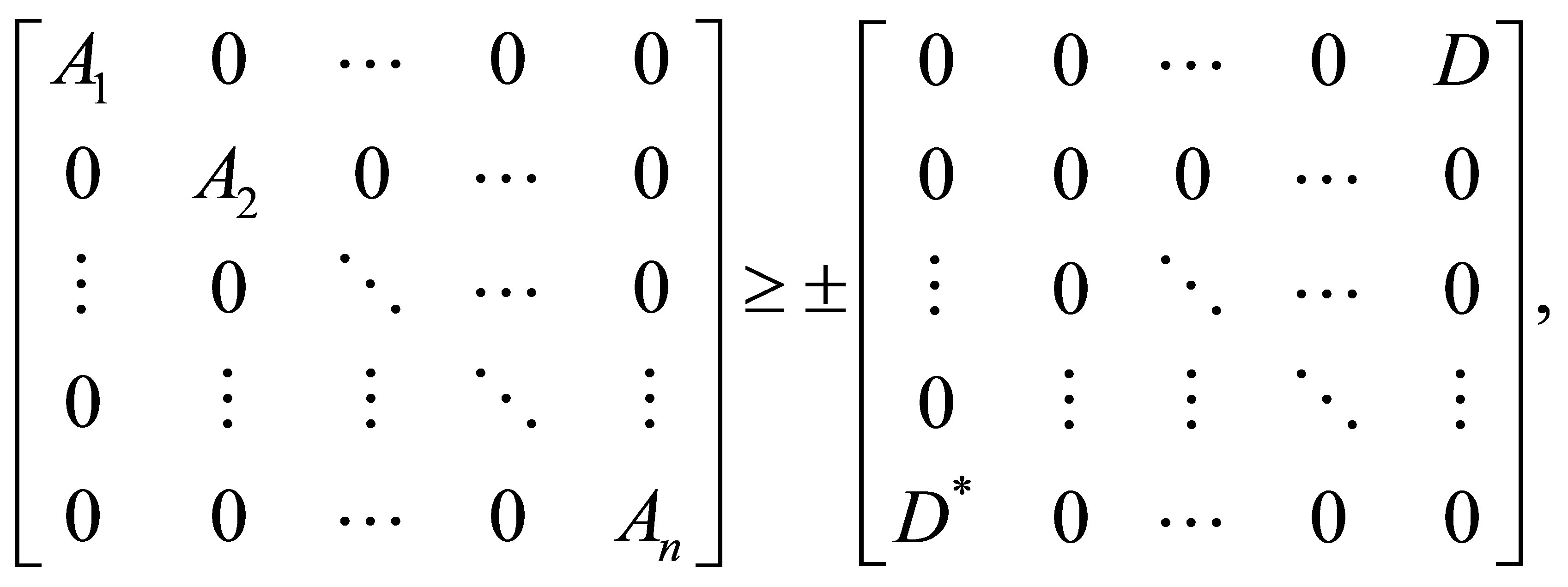
and so by applying the inequality (1.8), we get

 This is equivalent to saying that
Remark 6. While the proof of the inequality (1.10), given in Theorem 2.5 is based on the inequality (1.8), it can be obtained by employing the inequality (1.7) as follows:
If 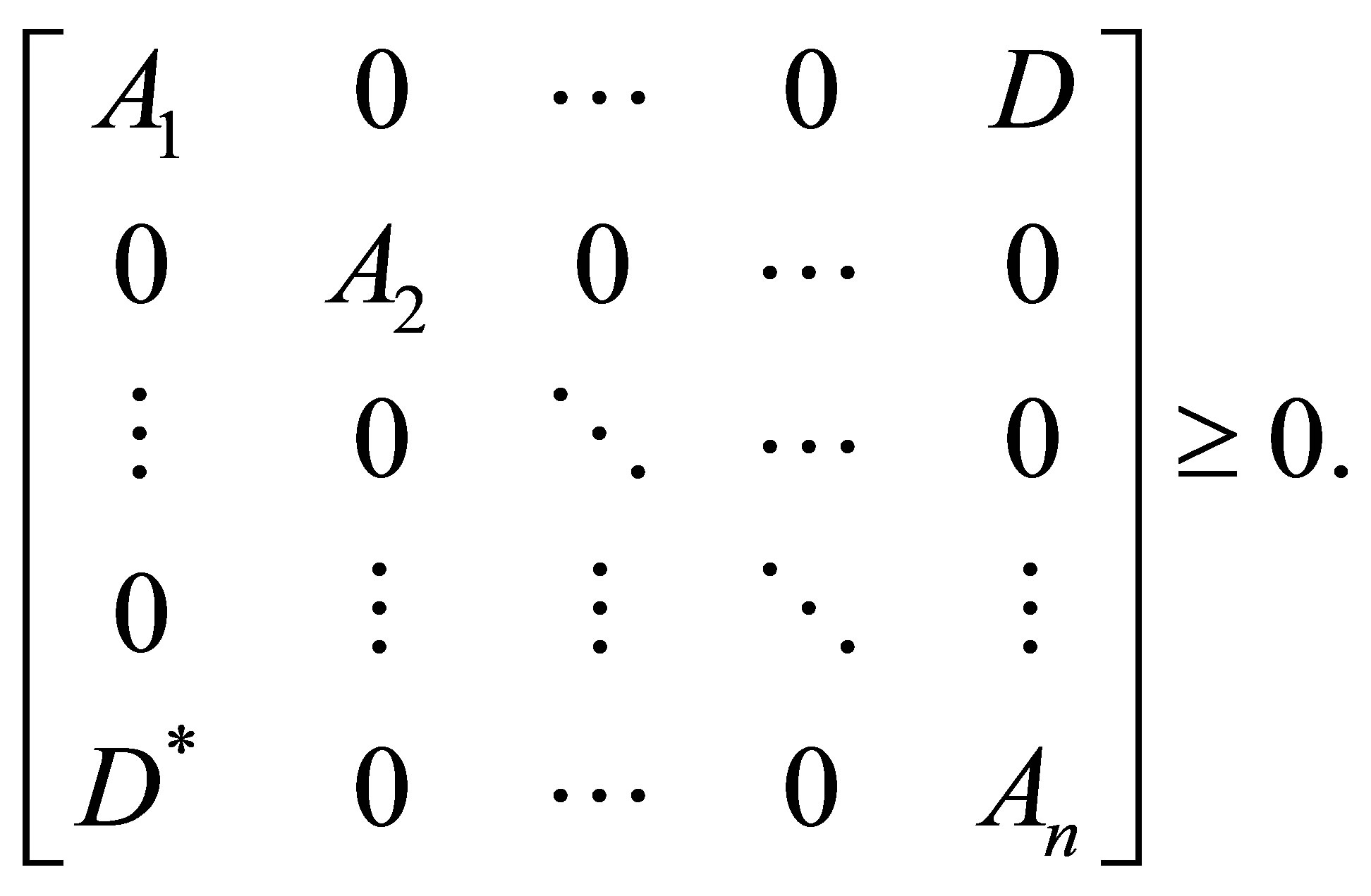 Then
Then
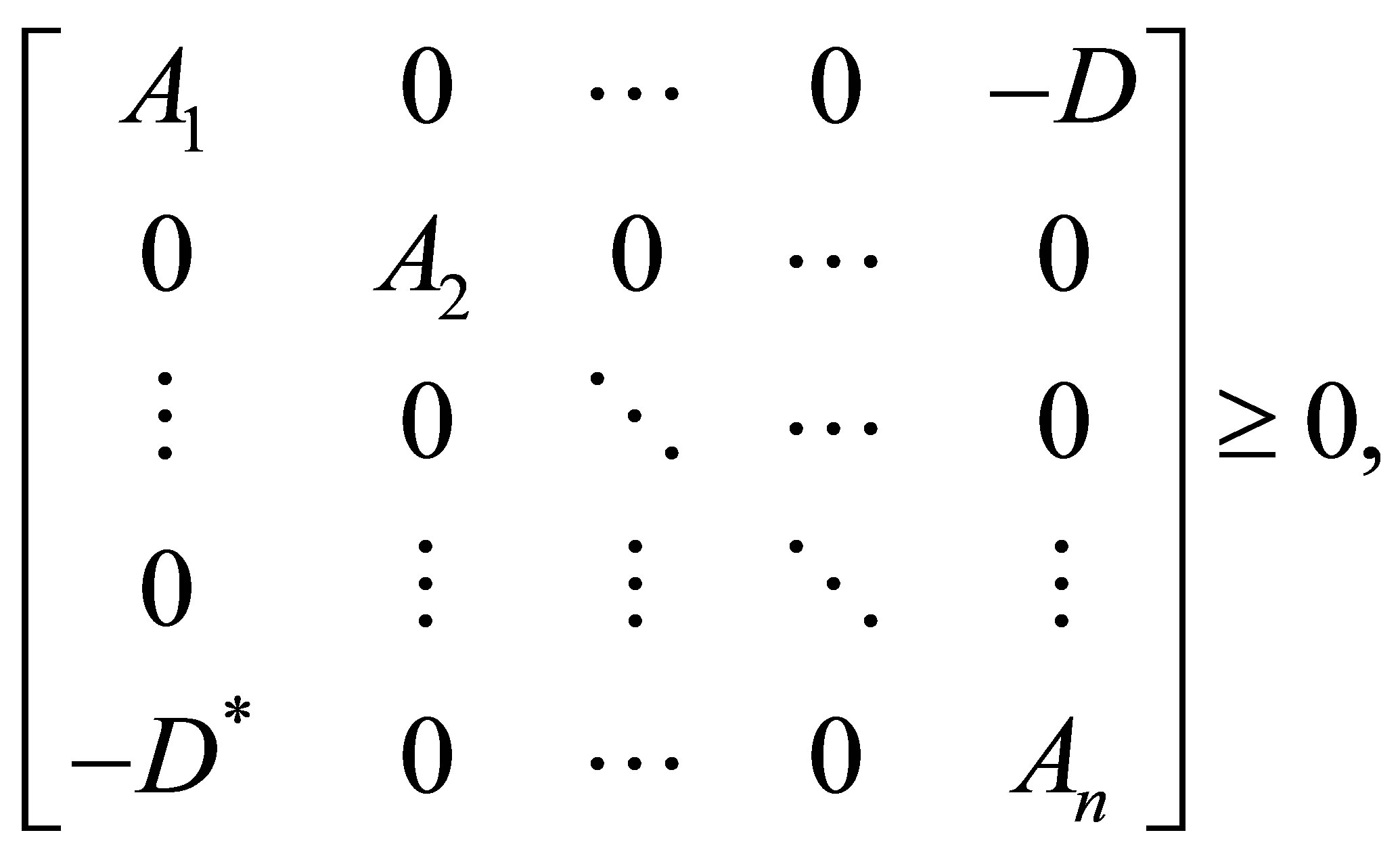 and so
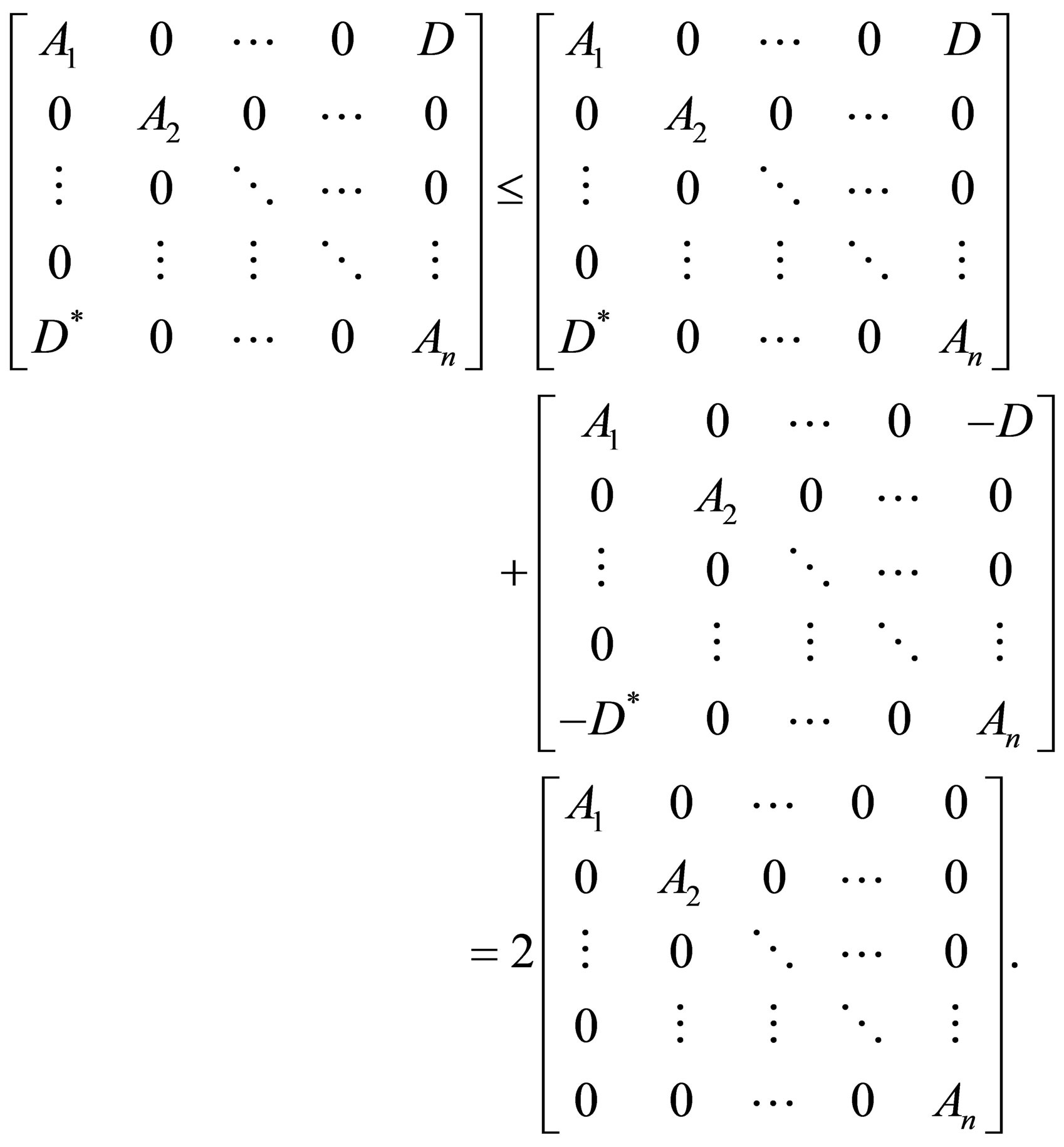
Following Weyl’s monotonicity principle, we have
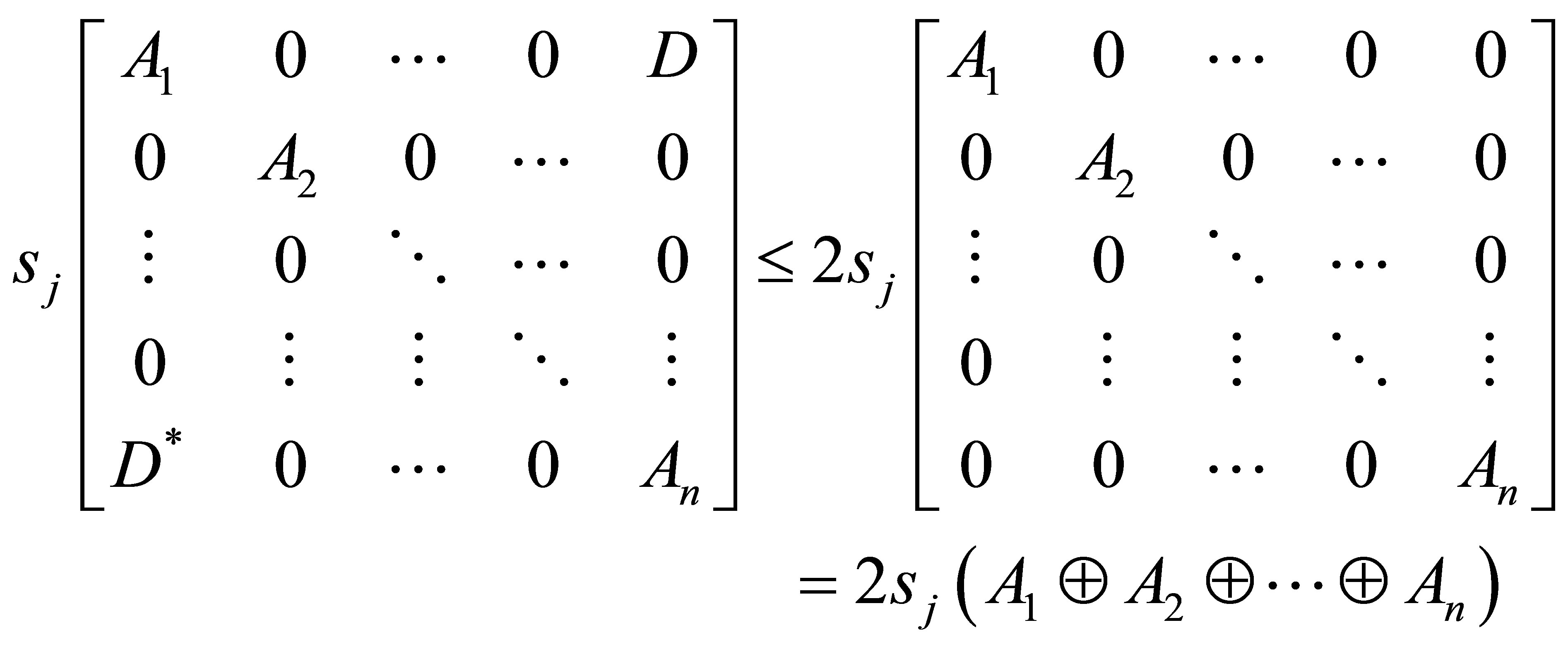
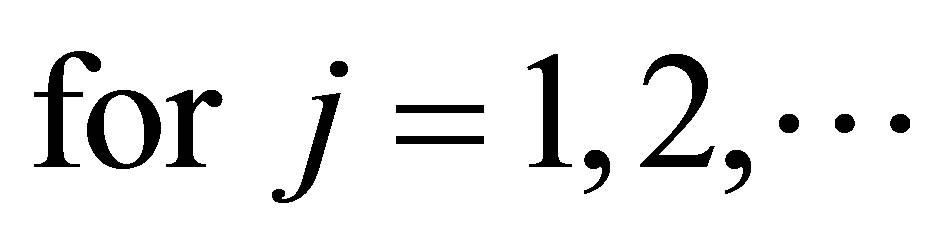 Chaining this with the inequality (1.7), yields the inequality (1.10).
Now, we prove that the inequalities (1.8) and (1.10) are equivalent.
Theorem 2.6. The following statements are equivalent:
(i) Let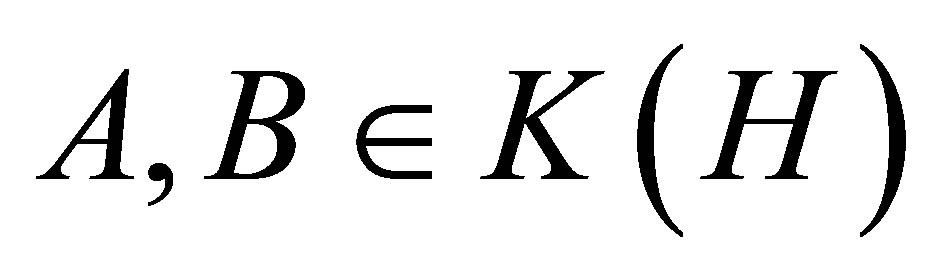 , such that
 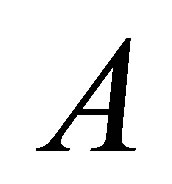 is self-adjoint,
 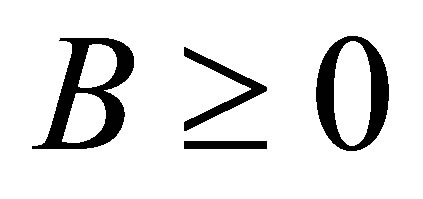 , and
, and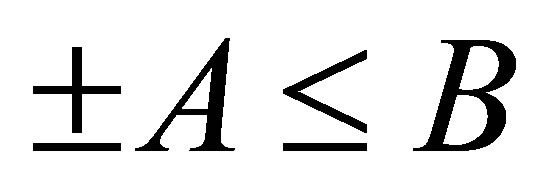 , then
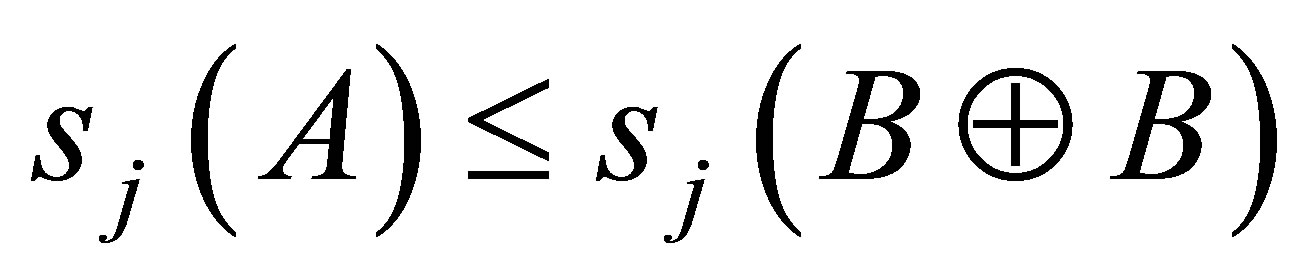
(ii) 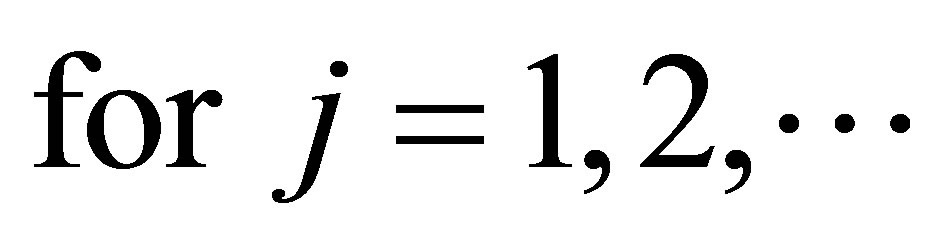
(iii) Let  such that
 Then
Then

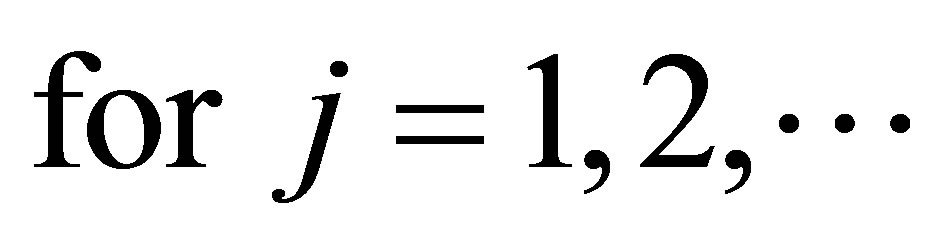
Proof. 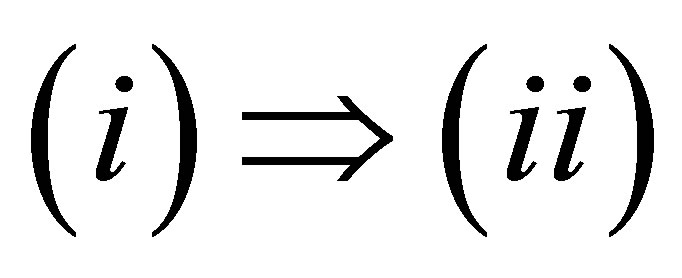 This implication follows the proof of Theorem 2.5.
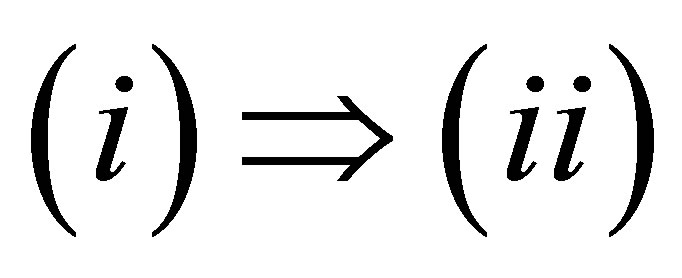 As in the proof of Theorem 2.4, if
 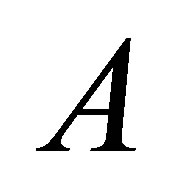 is self-adjoint,
  Then
Then
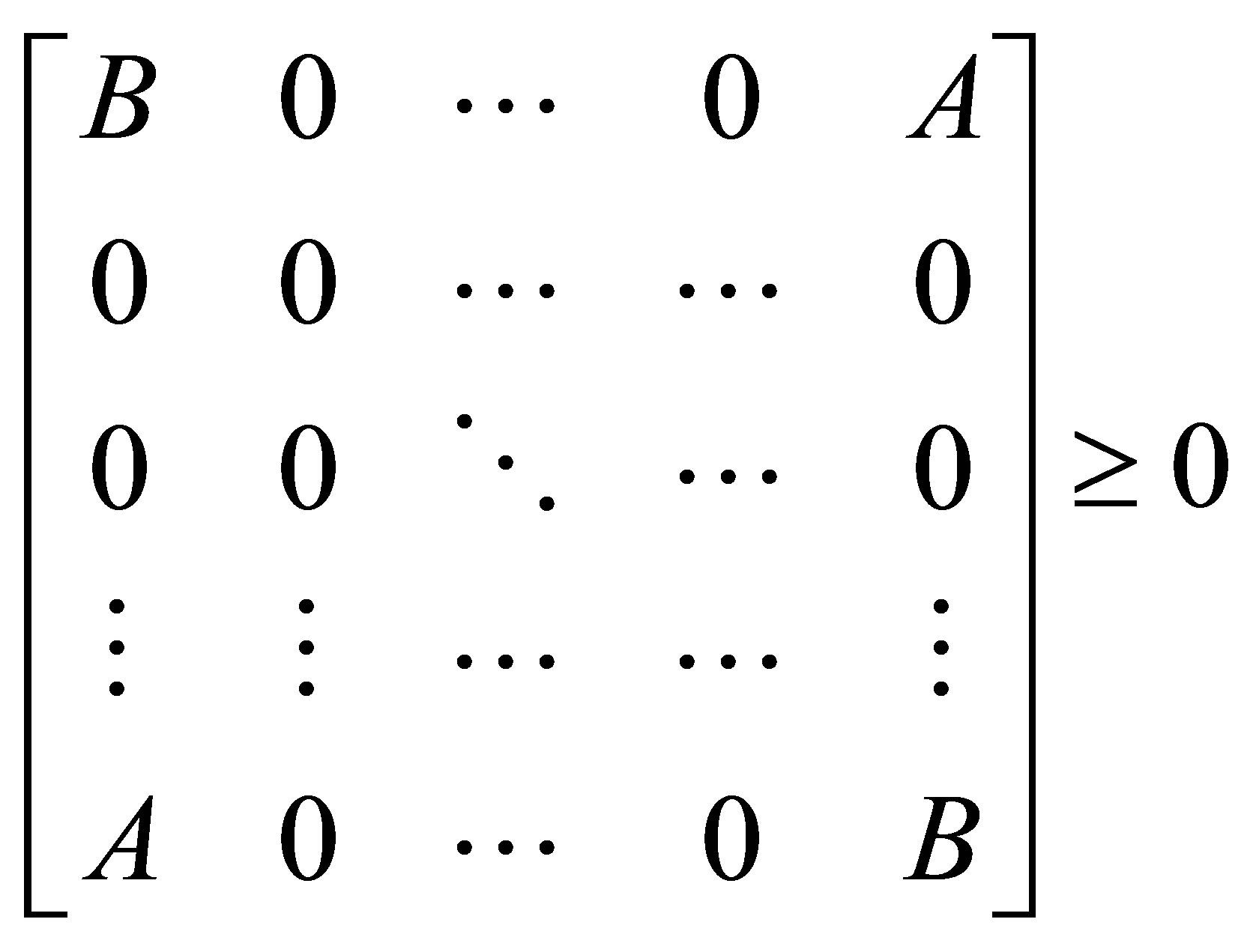 .
.
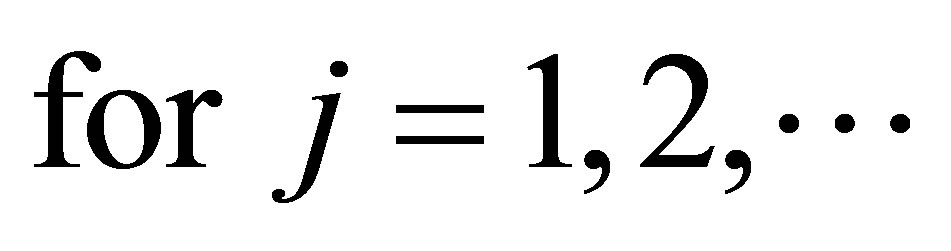
Thus, by (ii) we have 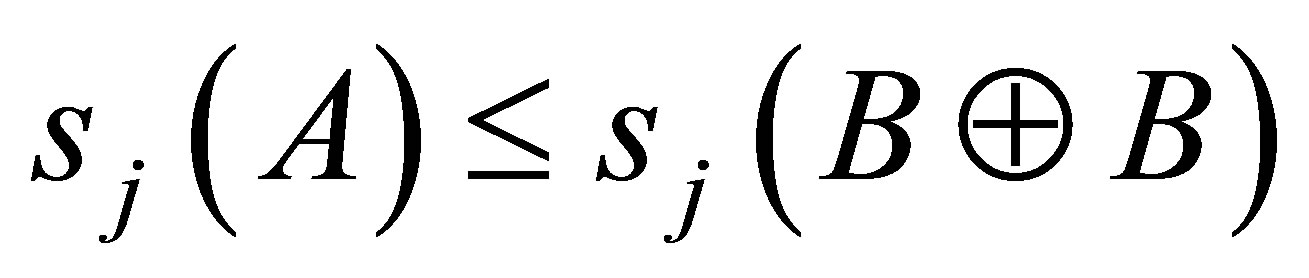
Remark 7. From equivalence of inequalities (1.8) and (1.10) in Theorem 2.6, and equivalence of inequalities (1.8) and (1.9) in [5], we get that the inequalities (1.8), (1.9), and (1.10) are equivalent.